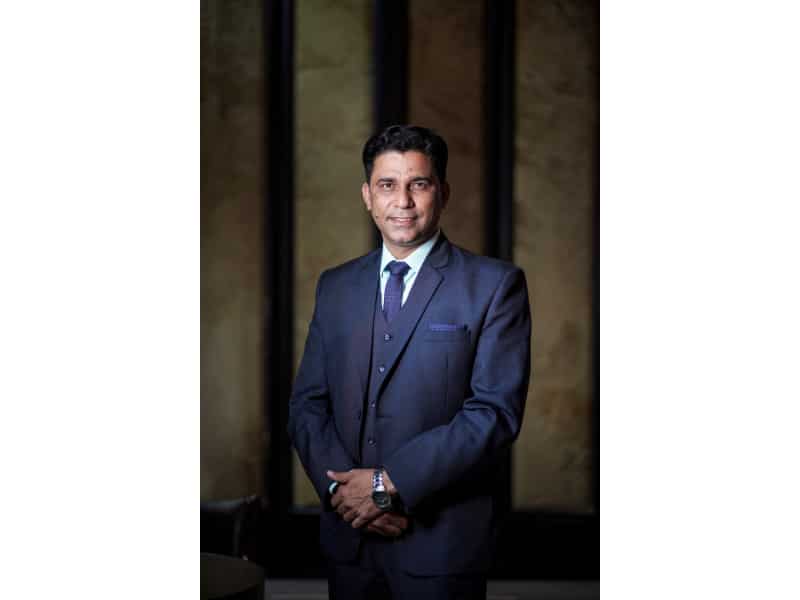
Ex-president Manbeer Choudhary talks to Hotelier India about the after-effects of the new guest-houses suddenly cropping up in the capital for the CWG.
What is your current role in the FHRAI?
I am still the president of the hotel and restaurants association Haryana. FHRAI is an association of associations as suggested by the name itself. Therefore it has regional and state associations. This is my 13th year of the presidentship.
What was the best part of your tenure?
There were a few concessions that we could bring about from the central government. Like the import policy which allowed hoteliers to import vehicles from abroad. The government was planning to freeze the policy citing concerns
of misuse.
We approached the commerce ministry and appealed against it. It took a lot of perseverance before the government finally gave in. Then there was the issue of representing the hotel and restaurant industry at the Commonwealth games as part of the delegation led by Ms Ambika Soni.
What were the challenges you faced and how did you overcome those?
The biggest challenge for hoteliers is that nobody views our grievances sympathetically. We being the voice of the owners need to have a long and strategic approach so that we are heard. The best way to do that is to keep pressing for your demands. Also now that tourism has a larger canvass the problems have also increased.
Taxation and excise duties are two of those problems. Both are handled by the respective state governments. Right from his arrival to his departure the guest has to pay a tax. So want a uniformed taxation scheme.
Another challenge is the rising land rates. Hotels go for prime locations, so costlier land makes the project costlier. In case one doesn’t get sufficient FAR (floor area ratio) profits can’t be made. That is a major drawback. So we have been asking for bigger FAR. Getting all this to their notice is a hard task.
What kind of impact do you think the Commonwealth Games will have on the hotel industry?
The Commonwealth games are going to be the biggest battle for the hospitality industry especially in Delhi and the NCR.
The reason being that earlier the Delhi government couldn’t sell the land because of high prices and the hotel industry was not very forthcoming with their ventures. So the government decided to liberalise the scheme for guest houses.
Now these guest houses are operational and will be fine for a month before and after the games, but what happens after that? The same guest houses will eat into the businesses of the hotels that have spent huge amount of money on infrastructure and other facilities.
Also both Haryana and UP government went backwards on giving licenses to hotels in Gurgaon and Noida respectively. So the hotels will also start eating into each other’s business. The customer will benefit because the tariff will fall down.
FAR is also a big issue. We had asked the government to give us land for the Commonwealth games on rent or revenue sharing basis. This way the hotel that comes up is not burdened by the land costs.
Like when Vivek Nair from the Leela group, got 3.25 acres of land at Chankyapuri Delhi, he had to shell out INR611crores. This is just the cost of the land.
Then you build the entire hotel over it. So you almost spend INR1000 crores on a new hotel. The FAR that is permitted will only be about 250 rooms. With such limited resources the situation is tough for hoteliers.
So how do you intend to cope with the high influx of tourists who will come for the games?
The guest house scheme is tourism friendly and we have agreed saying that the residents can welcome the visitors and show their hospitality to the outsiders. After all hotels are the brand ambassadors of a country.
The government should have stressed more on the lower categories but it did not happen. Despite the drawbacks I think the hospitality industry is more than ready to welcome the guests and it should be smooth-sailing.
What in your opinion is the driving force behind the best hotels today?
In my opinion there are two simple things: right pricing of products and value for one’s money.
Who are your personal icons from the industry?
There are many people I admire for their personal style and personalities. First is Major Rehman from ITC who was the chairman of the hotel division for almost 20 years.
Then there is Arjun Oberoi who was instrumental for the Oberoi hotels’ success and their coming up with a new brand like the Trident. Lastly Vivek Nair for multiplying his father’s property incredibly.
What are your expectations for next year for the hospitality industry?
I think the future is very bright. The industry will be blooming and this won’t be in just Shimla, Kerala or Goa which have always been known for their tourism industry.
Tourists now want to venture into states that are lesser known in search of “real” India. Even the state tourism departments are realising this. There is a rising awareness that tourism has a lot of potential which is also great for the hospitality industry.
Would you change any of the current processes of the FHRAI?
I think there are many things that are not going well at the moment. The in-fighting among the various members is one and people not respecting the chair due to vested interests is another. This should be dealt with seriously and the sanctity of the chair should be kept.