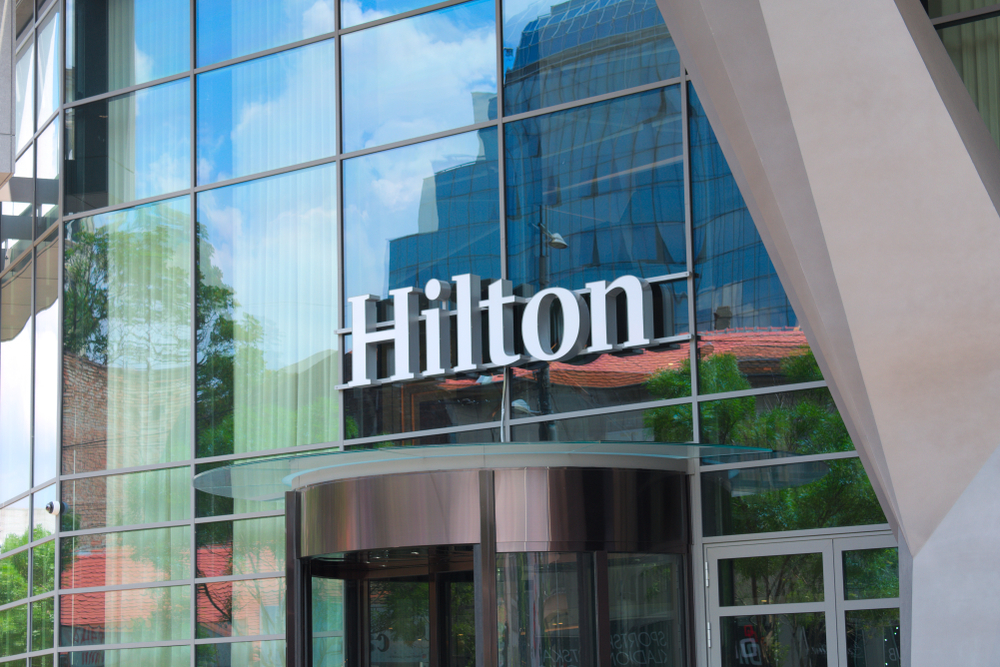
Hotel groups are roping in experts and agencies to create their protocols. With the help of Mayo Clinic, Hilton is preparing a coronavirus training program for its staff, for instance. Hilton CleanStay with Lysol protection, as the program is being called, will be a rigorous system that incorporates RB’s (makers of Lysol) know-how and scientific approach to cleaning practices and product offerings. Experts from Mayo Clinic’s Infection Prevention and Control team will advise and assist in enhancing Hilton’s cleaning and disinfection protocols.
Hyatt, in a bid to ensure that extensive cleaning guidelines are followed, will staff every hotel with a hygiene manager, whose job will be to monitor standards and correct any anomalies.
Every big hospitality group is launching new systems and programmes that centre on heightened safety, hygiene and health parameters. Accor, a global leader in augmented hospitality, has joined hands with Bureau Veritas, a provider in testing, inspection and certification, to develop a label designed to certify that appropriate safety standards and cleaning protocols have been achieved to allow businesses to reopen.
The label is a large swathe of policies and protocols that not just covers accommodation and catering, but also sets sanitary standards for the group’s hotels, in consultation with doctors and epidemiologists.
Guest rooms: a holy grail to be handled with utmost care.
Once guests enter their room, hotels like Marriott and Hilton will use signage to alert them that certain hot spots like the remote control, light switch and shower handle have been deep-cleaned. Moreover, housekeeping will be reduced during a guest’s stay to allow for more social distancing.
Worldwide, Hilton is likely to offer customers three options: normal housekeeping service; a streamlined service that occurs daily or every other day, and/or a light service that is limited to emptying the trash, supplying fresh towels and new amenities; or no service at all.
The hotel group has already rolled out this new normal in some of its properties internationally and its global head of new brand development, Phil Cordell, has said that the third option is for guests who do not want anyone in their room during a multiday stay.
For guests who want to work out and yet maintain social distance, Marriott will make fitness videos available on TVs inside each room.
In the post-COVID world, things will change drastically, some forever. Among the checks and balances that hotels will have to carry out:
• A mandatory capturing of the travel history of guests going up to 14 days before their arrival.
• A voluntary declaration by guests for ailments, if any.
• Mandatory checks on health condition on arrival, using biometrics.
• The sanitisation of luggage on arrival.
• Hotels may have to stop stocking Newspaper and instead use the digital version.
• Social distancing norms to be strictly observed during stays, in public areas and F&B outlets.
• HVS-Anarock, in its recommendations for hotels for post-COVID opening, suggests creating a guest booklet or communication methodology to be handed over to the guests at their first touch point, so that they are clear on what is expected of them for their safety and also mandatory requirements, as per health authorities.
• If guests are arriving from restricted countries or regions, ensure that hotels have detailed information from them upfront, before arrival or at the time of making the reservation.