
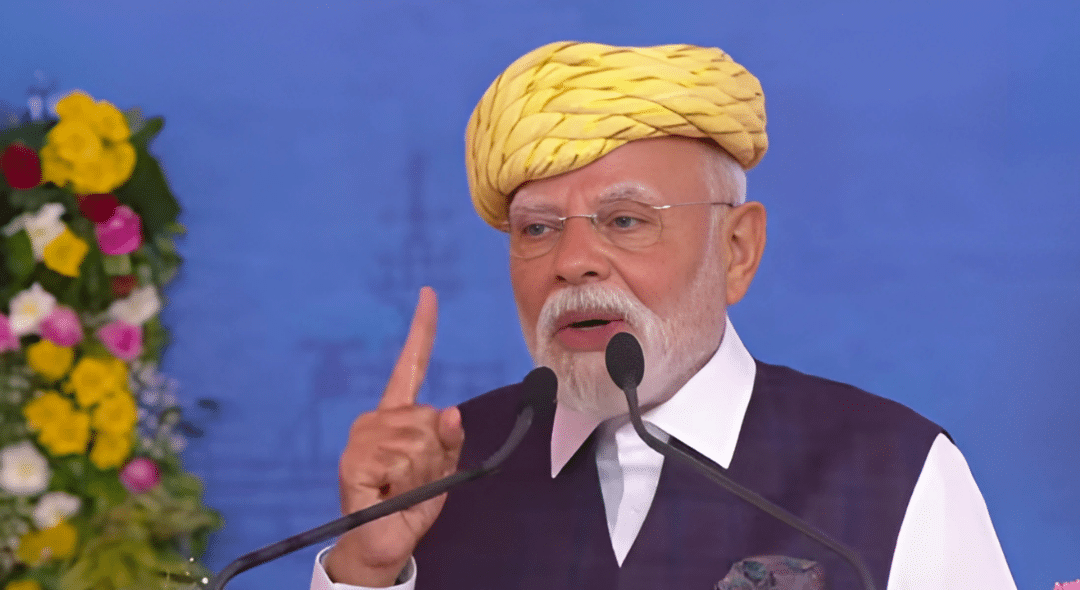
Mumbai, the city of dreams, has always been a gateway; to ambition, opportunity, and global connections. Now, it has added yet another jewel to its crown. Prime Minister Narendra Modi has officially inaugurated the Mumbai International Cruise Terminal (MICT), a landmark project that marks Largest Cruise Terminal in India.
More than a transit hub, MICT is a symbol of India’s maritime aspirations and a proud showcase of its ability to blend modern infrastructure with cultural heritage (Times of India, Economic Times).
A Monument of Scale and Vision
Rising from the city’s historic waterfront, the new terminal stretches across 415,000 square feet over four expansive levels. Its scale is unprecedented in India. Designed to handle one million passengers annually, MICT can berth five cruise ships simultaneously, creating space for tens of thousands of travelers to embark or disembark with ease. For a city long known as India’s financial capital, this is a new identity in the making; Mumbai as a global cruise tourism hub (India Today).
The experience begins even before boarding a ship. With 72 dedicated check-in and immigration counters, passengers are assured of smooth and efficient processing. The terminal has been designed to function with the same seamlessness as the world’s best airports, yet it carries with it a unique sense of place (Times of India, Economic Times).
Where Design Meets Heritage
What sets MICT apart is not only its size but also its aesthetic brilliance. The terminal’s design draws inspiration from Mumbai’s rich maritime history. A sweeping, wave-like ceiling ripples across the hall, its flowing lines echoing the motion of the Arabian Sea. The interiors glow with rose-gold accents, mirroring the city’s dramatic sunsets over the water (Hindustan Times, The Week).
The design is not merely ornamental. It creates an atmosphere of calm and elegance, a fitting start for journeys that promise adventure, luxury, and discovery. Waiting areas are bright and spacious, art installations celebrate Mumbai’s coastal identity, and even selfie zones are thoughtfully placed to capture memories before the voyage begins (Economic Times, India Today).
Sustainability at Its Core
In today’s world, no project of this magnitude is complete without a commitment to sustainability, and MICT sets new benchmarks. The terminal is equipped with shore-to-ship power connections, allowing docked vessels to plug into clean energy sources rather than rely on diesel engines; a move that significantly reduces emissions (TravelMole, Economic Times).

Parking facilities are ample, with a focus on efficient traffic flow, while public spaces are designed to feel less like waiting halls and more like welcoming lounges. The emphasis is clear: this terminal is not simply about moving people, but about creating an experience worth remembering (Travel Extra, The Week).
A Strategic Economic Driver
The terminal’s location at Ballard Pier ensures it integrates seamlessly into Mumbai’s larger waterfront redevelopment, linking commerce, culture, and tourism. Constructed at a cost of ₹556 crore, MICT is expected to become a major economic driver for the city. Projections estimate nearly 900 cruise calls per year by 2030, a leap that would put India firmly on the global cruise tourism map (NDTV, Times of India).
This growth is not limited to international travelers. Domestic tourism, hospitality, and small businesses stand to benefit immensely from the influx of visitors. From local artisans and tour operators to luxury hotels and restaurants, the ripple effect of MICT’s operations will be felt across industries (Hindustan Times, TravelMole).
A Milestone for India’s Maritime Journey
For Prime Minister Modi, the inauguration was not only about unveiling an infrastructure project but about reaffirming India’s maritime vision. The terminal embodies the spirit of Atmanirbhar Bharat; a self-reliant India building world-class facilities that can stand shoulder to shoulder with global benchmarks (NDTV, The Week).
Mumbai has always been the beating heart of India’s shipping and trade. With MICT, it takes on a new role as a cultural and tourism ambassador, inviting the world to experience India’s warmth, grandeur, and modern capabilities from the moment they step off the ship (Moneycontrol, Economic Times).
A Destination in Its Own Right
The beauty of MICT lies in its ability to transcend function. Yes, it is a terminal; a place to embark on a journey. But it is also a destination in itself, one that embodies the pulse of Mumbai. From the play of light across its interiors to the echoes of history in its design, it is a space where heritage meets innovation (Times of India).
As India’s cruise industry prepares to sail into a new era, the Mumbai International Cruise Terminal stands as a modern marvel of ambition, artistry, and vision. For travelers, it promises more than just departures and arrivals; it offers an unforgettable first step into the stories the sea will tell.
With this inauguration, India has not only built a terminal; it has set sail on a bold new course; one where Mumbai leads the nation’s charge in embracing the waves of global cruise tourism (The Week, Hindustan Times).


