Excerpts from the discussion by the members of GHTP Group initiated by the founder of the group Harish Chandra, on the security and IT relationship
Security and information technology have a core dependency on each other. In today’s world, the major concern that comes to any international travellers mind is the safety and security of one’s self. But these security concerns are relevant also for the local residents of the state, country and the locality. In the backdrop of all these concerns and questions, the GHTP Group members explore the threats and opportunities to counter them with the latest available technologies in the hotel industry.
The area in the centre of discussion was the 5,400 rooms inventory at the closest vicinity of Indira Gandhi International Airport, The Aerocity. Twelve major hotel chains have tried hard to fit into the criterion set by the Civil Aviation authorities and the Delhi Police (in-charge of the security outside the Airport premises).
The perceived danger stems from the proposed luxury hotels being too close to the runway and hangars used to park aircrafts belonging to VVIPs, and national security agencies like the Research & Analysis Wing (R&AW). Security analysts are of the view that the hotels could offer a perfect launch pad for terrorists and other disgruntled elements, and therefore constitute a potential threat.
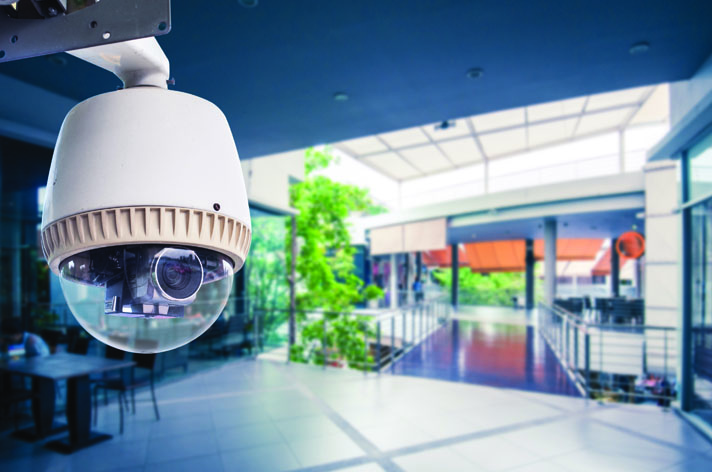
There comes the requirement of integrated security systems involving the latest technology. Nowadays CCTV cameras (Analog or digital) with night vision capabilities, car number plate readers, face recognition systems, under vehicle scanning systems (manual and automated), traffic management bollards and automatic boom barriers, effective public announcement/addressing systems, parking management systems, biometric access locks and integrated softwares, are a must for all the hotels in the Aerocity.
The terrorist attacks in Mumbai had revealed the delicate balance that large international hotels have to achieve in order to act as a public gathering place for a sophisticated business and leisure clientele without sacrificing security.
Security is an essential investment and not an optional expenditure anymore. Many levels of securities have been defined by a lot of security advisors and are a mix of various IT-based products at various levels or tiers.
Tier 1 or the first level of security is guarding the periphery of the hotel. Periphery intrusion devices, like surveillance cameras, adequate lighting and patrolling guards can protect the hotel from unwanted intruders. Intelligent video analytics with trip wire feature makes it possible for the security to be alarmed in case someone jumps over the wall.
In continuation to the levels of tiered security, level 2 protects the hotel property from the main entrance up to the building. Hotels with very large properties and multiple entry/exit points present a bigger challenge. This level of security should have boom barriers to stop the cars for inspection. Under vehicle surveillance systems, mirrors, sniffer dogs and bomb detection devices are to be used for optimum security at this level. These are supported by surveillance cameras that are continuously being recorded and have at least 30 days of recording, as per the laws in Delhi.
But what if a vehicle laden with explosives just drives through at high speed and rams into the building? Automatic bollards or road blockers should be deployed that will stop an 80-ton vehicle travelling at 60 km/hr dead in its tracks.
Beginning from the entrance of the hotel and extending to all the common areas, the hotel is covered under the third level of security. The use of baggage X-ray machines, metal detectors, surveillance cameras, access control systems, and public address systems is recommended for this level. Separate lifts should be available for hotel guests and they should be equipped with access control systems that companies like Vingcard and Cisa provide with the complete property solutions, to ensure that only a hotel guest can use that lift. Fire alarm systems and fire fighting are mandatory by law.
Anti-shatter film/bullet proof glasses should be installed on the ground and first floor. This is also a recommendation of the Delhi Police to all the hotels facing the airport runways.
Crimes can and do occur in both public and non-public areas. Guest corridor staircase exits should be installed with panic-bar bolt doors for one-way exit only. The doors should also be installed with camera and alarm systems to monitor abuse. DVRs should be capable of recording high-resolution image of 2CIF at 25 Frame Per Second (FPS) per channel.
Lift doors exiting into non-public areas and corridors leading to guest rooms should be installed with closed-circuit cameras to monitor any unauthorised/suspicious visitors.
There should be separate lifts to serve guests in public areas and guest rooms respectively. Every hotel room should be equipped with a video door phone that allows the guest to see the visitor and talk to him before opening the door. A case in point is that when Taj in Mumbai was attacked, many guests kept their rooms locked and did not answer the door because they did not know whether it was the commandos or the terrorists who were outside.
Technology can help in detection of crime but the response to detection comes from human beings. This makes risk assessment analysis, training, security policies and disaster management procedures indispensible to the security of the hotel. All security systems must be reviewed regularly by professionals and upgraded as well. This is to counter the challenge of changing crime trends and risks and to be a step ahead of potential criminals. Once an effective security system is established, the staff can work with confidence and guests can enjoy their stay at the hotel, reassured that the risk of crime occurring is minimised. The staff should be adequately trained in vehicle searches, luggage inspection, surveillance detection, suicide bomber characteristics and crisis management.
Compiled and researched by Varun Pahwa under guidance of GHTP founder Harish Chandra.