

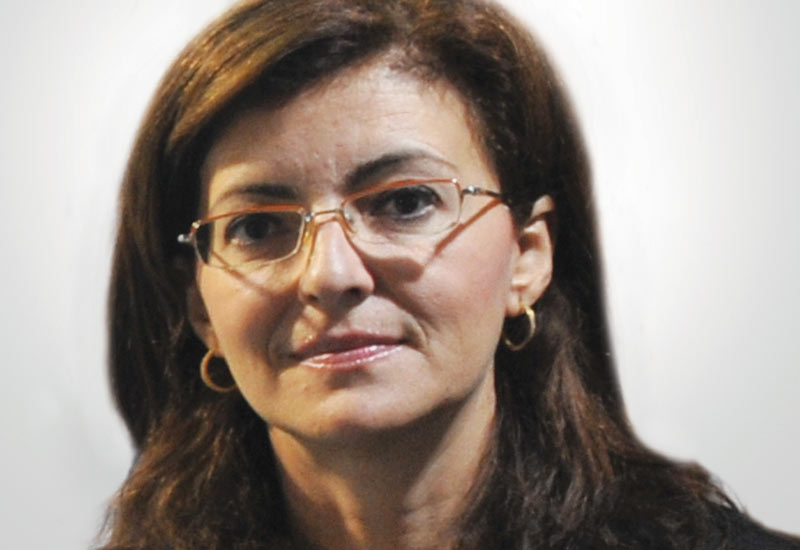
Despite its extensive usage for cosmetic products, India remains at the nascent stage when it comes to using olive oil for cooking, Mugdalini Rappou tells Syed Ameen Kader.
In an effort to foster the consumption of olive oil and table olives both in traditional as well as new potential consumer markets, the International Olive Council (IOC) is conducting a promotional campaign in six major cities of India.
The campaign, which started its first phase in 2007, has grown much bigger this year, with a greater number of conferences, seminars, and workshops being held, besides the roadshows in various cities.
“This is the second phase of our promotion campaign which is much bigger than the first one we did. We have lots of activities addressed to not only the opinion leaders and makers, but also the final consumers,” said Mugdalini Rappou, head of the department for promotional activities and trade fair, IOC.
“Apart from the website, newsletter, print and television campaigns, we are informing and educating the consumers and the sector as well, through our participation in various trade fairs. We are also organising women workshops and road shows in six major cities of India,” she added.
IOC started the India campaign in May from Bangalore, and then moved to other major cities such as Hyderabad, Chennai, Pune, Mumbai, and Ahmedabad.
Rappou said they have collaborated with experts like doctors and nutritionists to give lectures about the health attribution of the product. They have brought in Prahlad Kakkar, an ad filmmaker and restaurateur who also loves cooking, as their campaign ambassador.
“He would show how one can cook Indian cuisine dishes with olive oil during live demonstrations in trade shows,” she said.
India is the largest importer of vegetable oils in the world, however, olive oil has been used mostly for cosmetics and skin care in India till now.
“I can tell from my personal experience that Indian consumers are very health conscious which is a very good sign, but they don’t know whether this product can be used for cooking as well. They know olive oil as part of the Mediterranean diet, and that’s why we are here to educate and inform them about the health attributes of the product,” explained Rappou.
Rappou further said that though the awareness about its cooking usage is at the early stages in India, it is growing fast. “People should know it’s a healthy product. They have been using it for cosmetics and now they can use it for cooking not only Mediterranean dishes but also Indian cuisine.”
The composition of olive oil is made special by the fatty acids and minor components in its make-up, particularly the large amounts of antioxidants and vitamins.
Rappou, an agriculture engineer herself, pointed out that there are many scientific studies to suggests that a higher proportion of monounsaturated fats in the diet is liked with a reduction in the risk of coronary heart disease.
“This is significant because olive oil is considered rich in monounsaturated fats, most notably oleic acid. There is lots of scientific research to suggest that olive oil helps in reducing risk of cardiovascular disease, cancer, diabetes, obesity, and ageing,” she added.
On asking whether the comparatively higher cost is one of the factors for such a low consumption in India, Rappou said: “Cost is always a factor. But first of all, you have to know the product, and then you make a choice as a consumer to see if it is worth it or not to buy the oil. In the long run, you save lots of money that would have spent for medicines because you are in good shape and health.”
She admits availability is an issue as India does not produce olive oil here. “Ninety eight per cent of olive oil is produced in our member countries. We are going to share all our data and experience with them so that if they want they can make this available to the Indian market,” she concluded.


