One of the fastest-growing segments in India and the world is the Hotels, Restaurants, and Catering (HORECA) sector and its allied cloud kitchens and quick service restaurants (QSR). The market for food services in India is predicted to increase from US$ 41.1 billion in 2022 to US$ 79.65 billion by 2028, with a CAGR of 11.19%, there are many reasons why this industry saw a major boom in the past couple of years and is set to continue the growth trajectory, thanks to factors like an increase in migration of working professionals and millennials, urbanization, and higher disposable income. Covid also had a major role to play in increasing demand for doorstep delivery, giving a major boost to cloud kitchens in India. Driven by rapid tech adoption and innovative service offerings, the sector is set to grow at approximately 15.5% to 17.5% CAGR during 2024-2028 and may achieve a market value of USD 2.5 billion by 2028.
However, even as the sector continues to boom, especially with penetration in Tier II, and III markets, it is marred with several challenges, including access to efficient cold storage and temperature-controlled transportation. The cold supply chain is significant for not just storage of raw materials, transportation, and last-mile delivery but also vital in maintaining quality and creating positive customer experience and loyalty. From the stage of the procurement of raw materials to the last-mile delivery needs, the cold supply chain for HORECA needs to be urgently upgraded so as to ensure end-to-end efficiency. Here are some of the severe challenges faced by the sector and how tech-driven solutions by reliable Cold Supply Chain service providers, can help solve them:
Chaotic Infrastructure

- Unorganized last mile delivery infrastructure faces a lot of challenges due to a variety of factors, like lack of temperature-controlled transport and infrastructure for both procuring raw produce as well as delivery of finished, lack of reefer vehicles for shorter distances or smaller volumes, inconsistency in the maintenance of optimum temperature while in transit and imperfect handling by under-trained delivery agents. These lead to restaurants and cloud kitchens resorting to the usage of ice boxes for delivering temperature-sensitive finished products such as desserts, bakery items, dairy products, etc, which considerably compromises the quality of the product and hampers customer experience.
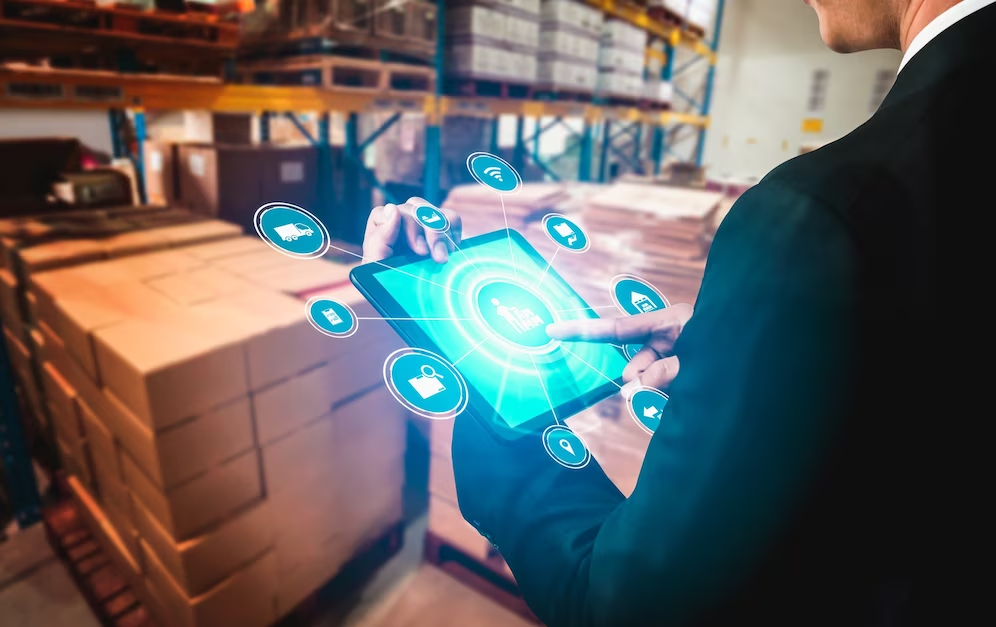
A cold chain partner with a fleet of reefer vehicles that are equipped with AI, ML, IoT devices, and blockchain-based smart contracts, enables minimum damage during last-mile deliveries and can also help in ensuring end-to-end transparency, consistent temperature monitoring, and route optimization.
Lacking Cold Storages
- Effective storage for food materials, including agricultural produce and other raw materials used by the HORECA sector in bulk, is vital to ensure a good quality finished product. However, traditional storage solutions comprise large spaces that may or may not be effectively monitored in terms of temperature and may not be fit for storage of multiple products that need to be handled differently. Generally, cold storage provides solutions for 1,000+ tons of consignments but they hardly have the facility to store 5 or 50 tons of materials which are usually required by quick service restaurants, perishable food companies, or could kitchens.
An effective Cold Supply Chain partner with AI and ML integrated warehousing can ensure various materials are stored as per their optimum temperature needs. The storage facility can also monitor inventory through a tech-enabled warehouse management system that offers end-to-end visibility and facilitates predictive analysis for every cold chain function.

Traditional Tracing Techniques
- Old-school monitoring mechanisms and manual inspections, coupled with ineffective tracing solutions, can lead to slip-ups and human errors, resulting in substandard food quality. Being a perishable of high value, food supply chains need to be closely monitored, with every movement being tracked, recorded, and communicated to ensure that the quality, and integrity of the product are intact.
A tech-enabled cold supply chain partner can help deploy blockchain and IoT to provide real-time tracking and tracing solutions so as to be able to identify and address any inefficiencies, as soon as they are spotted. They can also help with more efficient route planning, a major hassle for cloud kitchens when scheduling hundreds of deliveries every day. This helps in not only maintaining quality but also faster deliveries, lower operational costs, and steady revenues.
With India’s metro, tier 2, and tier 3 cities and towns jumping on the cloud kitchen bandwagon, rising disposable incomes, and access to smartphones, HORECA is at the cusp of a boom that can only be sustained with a robust cold supply chain infrastructure. A tech-driven cold chain is thus a significant growth catalyst that the HORECA industry players need to partner with, in order to make the most of this boom. A tech-driven cold chain supply partner can help offer proper support in everyday operations to not only run the business smoothly but also accelerate overall business success ultimately putting the overall sector on a path of growth.