Small but mighty, mid-market domestic hotel groups in India are shaking up the hospitality industry with their innovative and forward-thinking approach. These homegrown names have become popular brands and are growing rapidly.

While international hotel chains have typically dominated the upper-luxury market, not all of them established a strong presence in the mid-market segment. This is where these made-in-India mid-size hotel groups have found success. Multiple reasons have contributed to their significant growth in the past few years. Some of them are:
- They connect well with the domestic traveller, mainly middle/ upper-middle class, with increased disposable income.
- They have a strong sense of character, driven by their local roots.
- They understand how to leverage local elements and culture.
- Plus, they are good at swiftly expanding their portfolio in tier
2 and 3 cities.
One exceptional quality they possess is the ability to provide their guests with one-of-a-kind, genuine experiences. For instance, a comfortable and charming resort in a national park amidst flourishing greenery could outperform a five-star hotel in a bustling city.
The present and future
Progressive and young Indian hotel chains are striking deals with independent hotel owners and developers to grow their footprints. As per reports, contracts in this hotel category grew by around 70% to 75% by the end of 2022 against 2019.
Speaking about the trend, Vibhas Prasad, Director of Leisure Hotel Group, says, “Leisure Hotels Group, an experiential resort chain, has observed a growing demand for our mid-market brands such as Bedzzz and The Manors among hotel owners, particularly those with assets in tier 2, 3, and 4 cities. Domestic chains offer appealing advantages to asset owners, including flexible operating models, co-branding opportunities, lower fees compared to international brands, and the provision of tailor-made asset designs. A homegrown brand possesses a profound understanding of the domestic hospitality industry, which enables effectively managing properties and achieving higher GOP. This, in turn, leads to a faster return on investment for owners.”
Founded in 1989, Leisure Hotels now operates 25 properties across India. With an optimistic vision, the group is now ambitiously planning to add 10 more properties by 2025.

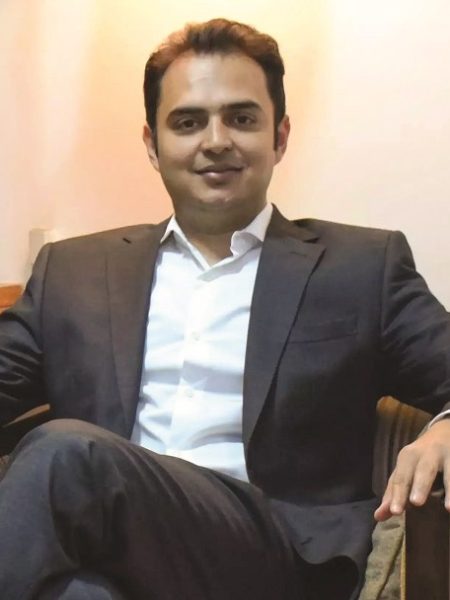
Echoing the same sentiment, Akanksha Garg, Director & CEO of Waxpol Hotels and Resorts Ltd, says, “Post-pandemic, encouraged by the Government’s Dekho Apna Desh initiative, an increasing number of people want to explore local destinations. It allows brands like us to make the most out of it with our strong local presence.”
According to Akanksha, out of every 100 branded rooms, about 60 belong to domestic mid-segment brands. “Our segment will continue to do well. Overall, we are looking at a 10%-15% year-on-year growth in this 30-50 room category for the next couple of years in tier 2 and 3 cities,” Akanksha states. Waxpol Hotels and Resorts manages a portfolio of four exotic properties with a focus on wildlife destinations.
The role of technology in their growth
Technology is their mainstay for driving revenue and exceeding guest expectations. We have seen many of those hotel groups migrating to the cloud from legacy solutions because they have understood that the cloud lets them leverage the full potential of technology while cutting down software ownership costs.

Centralised operation
One important goal for them is to have centralised control over their group’s operations. Many of them have adopted a Hotel PMS with multi-property management capabilities to achieve this. It allows them to efficiently manage all their properties’ operations, such as rates, distribution, and reservations, from a central location. Doing so empowers them to save time, reduce errors and improve their operational capabilities.
A cloud-based multi-property management system also offers them hundreds of enterprise-grade insightful reports. Whether a property-level or group-wide report, the management can access everything to make data-driven decisions. Moreover, right from accessing guest preferences to allowing corporate clients and travel agents to make their reservations across all properties 24/7, it all becomes super easy with a multi-property management system.
More sales and revenue
For instance, integrating with a Channel Manager can improve real-time distribution across multiple OTAs, resulting in a better OTA presence, increased sales, and zero overbookings. In addition, integrating with a Booking Engine can generate more direct bookings. At the same time, Revenue Management integration can automatically suggest optimal rates by analysing variables such as competition, demand, occupancy, and length of stay. From a business point of view, such integrations are imperative for mid-size hotels to sell more rooms at the best rates to increase occupancy and revenue while competing with bigger international brands.
Enhanced guest service
Providing contactless services is now crucial for hotels, and here, too, technology plays a major role. Many hotels in this category are implementing self-check-in/ check-out and keyless entry to ensure their guests’ safety. Additionally, hotels are adopting CRM solutions for targeted marketing campaigns to promote suitable offerings to relevant guests for better conversion.
Rapid expansion
One of the most significant benefits of technology for mid-market hotels is a faster go-to-market timeline. We proudly say that we have made it possible. Yes, we are talking about how technology helps them in expansion. We have managed to help our clients in this segment expand swiftly by plugging in, onboarding, and taking the new property live in just three to four days. We understand that their corporate strategy involves ensuring their new hotel is up and running and starts selling quickly.
As a technology provider, we are impressed by the Indian mid-segment hotel groups’ ability to compete with their larger international counterparts. They have proved that providing luxurious hospitality is no longer the monopoly of global chains with their grit to serve guests better.