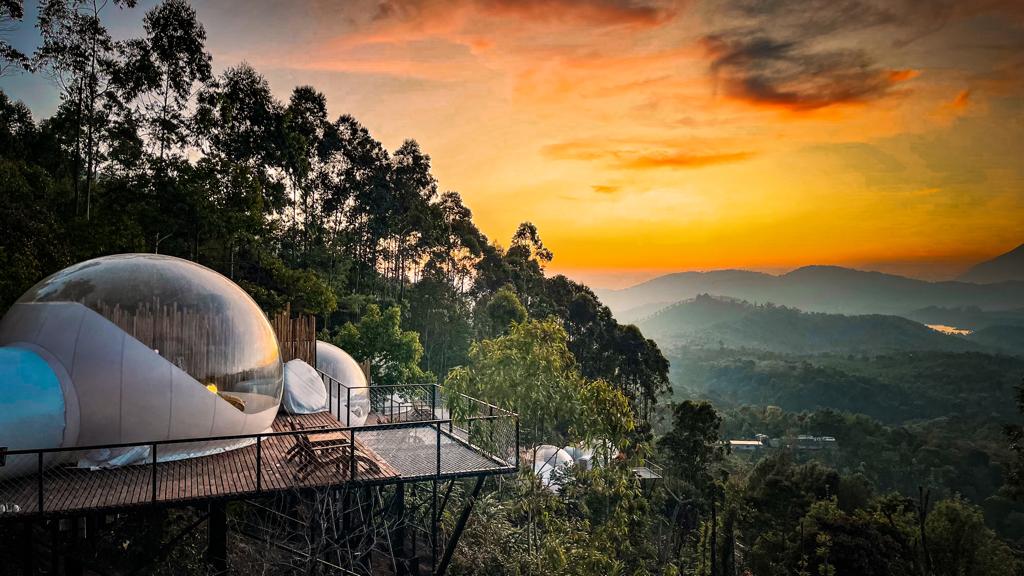
MI estimates that the global glamping market size could surpass US$ 11.62 billion by 2033, up from US$ 3.84 billion in 2023. During this period, the market is likely to exhibit an astonishing CAGR of 11.69%.
The main component driving the industry is the preference for experiences over conventional pampering. The growing demand for eco-friendly and sustainable tourism has led to an increased interest in glamping. The camping experience is distinctive and luxurious while having little negative influence on the environment.
Several businesses now offer different facilities such as pet-friendly resorts, luxury tents, customized contemporary cottages, and more. A clubhouse with communal fire pits, outdoor sports, board games, and hammocks is also made available by several market players.

Increasing preference for luxury amenities such as beds, Wi-Fi, spas, bars, baths, power, and cleaning services are propelling the sales of the glamping market. As glamping offers an attractive and comfortable lodging experience and promotes sustainable tourism.The growing consumer reliance on social media is anticipated to raise public knowledge of glamping and its advantages. Social media influence has fuelled the desire for unique and Instagram-worthy travel experiences.
How is Glamping in India Renovating the Asia Pacific Tourism Landscape?
The expansion of domestic tourism is a key element driving the Indian glamping market growth. With its immense natural resources, India provides several glamping choices that appeal to varied interests and preferences. Indian tourists, who are searching for a fresh approach to enjoy the beauty of their own country, find glamping convenient. The emphasis on experiential and out-of-the-ordinary stays is the reason behind this.
India is expected to emerge as a lucrative pocket in the South Asia glamping market.In response to the high influx of foreign tourists, players in India are promoting glamping resorts and luxury equipment. This in turn is driving the market.
Being a viable choice for sustainable tourism, glamping has received significant government promotion in India. To encourage private parties to invest in environmentally friendly glamping accommodations, the Ministry of Tourism, for instance, has started programs to construct glamping sites in national parks and wildlife reserves.

In recent years, several glamping locations have popped up throughout India, providing distinctive and lavish camping experiences. India has several well-known glamping locations, including but not limited to Rishikesh, Jaisalmer, Munnar, Shimla, and Wayanad. These glamping locations provide a selection of accommodation alternatives, including luxurious tents, treehouses, yurts, and spherical domes.
Glamping is frequently linked to eco-tourism since it encourages environmentally friendly travel patterns and lessens its harmful effects. India has many glamping sites that are built with the environment in mind. For instance, Eco Glamp at Kanatal in Uttarakhand was launched by Organic Hideaways Pvt Limited in November 2022.With the top safety standards and luxurious hospitality facilities, Eco Glamp gives a once-in-a-lifetime opportunity to experience glamping. With this launch, Eco Glamp also grows to become India’s leading eco-friendly and sustainable glamping resort.