| Panel of experts: | • Ajay Gupta, Rooms Division Manager at DoubleTree by Hilton Agra. • Ashwin Vaidya, Director of Rooms, Grand Hyatt Mumbai Hotel and Residences. • Iftekhar Ahmad, House Keeping Manager, The Fern Seaside Luxurious Tent Resort, Daman • Nimish Agrawal, Executive Housekeeper, ITC Narmada • Prakash Malik, Housekeeping Manager, Courtyard by Marriott Agra • Salil Shekhar, Executive Housekeeper, Taj Lands End, Mumbai • Somnath Chatterjee, Housekeeping Manager, Holiday Inn Bengaluru Racecourse • Umamahesh Rao, Executive Housekeeper, The Orchid Hotel Mumbai |
- What safety measures are being adopted by the property – for both staff and guests?
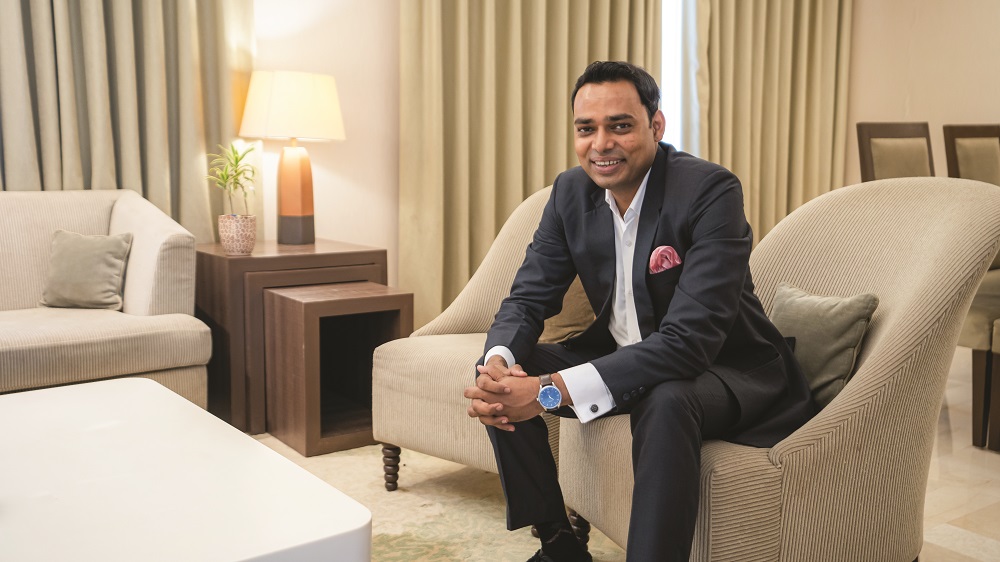
Ajay Gupta (AG): Hilton has been a very proactive brand, even pre-covid, when it comes to workplace safety. MSDS, staff training and all other workplace safety standards have always been followed and emphasised upon.
Post-covid, Hilton had launched its signature program called ‘Hilton CleanStay’ to deliver the same level of reliable and friendly service a guest would expect from Hilton with the added confidence of industry-leading hygiene practices created to keep them safe be it in rooms, public areas, restaurants or meetings and events area.
The safety of our team members is equally important for us, especially the housekeepers who are constantly exposed to various types of hazards. We equip them with proper training and adequate safety tools/harness to identify hazards/risks associated with daily tasks to prevent on-shift injury. We also believe that reducing physical stress may decrease the chances of accidents, which is where Hilton’s initiative of ‘Thrive@Hilton’ comes into the picture to focus on its team members’ well-being.

Iftekhar Ahmad (IA): The first and most important aspect is to ensure the safety of everyone on the property – both staff and guests. To do this, prevention is essential. This includes: frequent antiviral cleaning of public high-touch areas, offering masks to guests upon arrival and enforcing their usage, clear and consistent policies around sick leave for employees, etc. clean your hotel is, but that doesn’t mean that your guests do. Guests look for visual indicators, but COVID requires sanitisation, which is invisible to the naked eye.
To keep guests calm and coming back, it’s important to proactively communicate with them and let them know what the property is doing to ensure a safe guest experience, especially as not all hotels in the region may be holding themselves to the same level of stringency.

Nimish Agrawal (NA): At ITC Narmada, we are committed to providing the ultimate luxury experience to our valued customers and the safety of our patrons on all fronts is a top priority for us. As a practice, we have been carrying out safety awareness and training sessions from time to time for our staff members across each department. In the wake of Covid-19, necessary measures are taken in accordance with the government’s standard operating procedures (SOP).
We have made double vaccination and precaution dose mandatory for all our employees at ITC Narmada. To ensure the highest levels of hygiene and safety standards, we conduct regular tests and audits for food and water. We have the highest safety benchmarks when it comes to selecting and vetting our vendor partners for sourcing food. That apart, regular maintenance of material safety data sheets (MSDS) is a part of the routine procedures at ITC Narmada. As a policy, we only entrust the jobs to skilled workers who are certified trainers and ensure their on-the-job safety as well.

Prakash Malik (PM): The housekeeping department is responsible for the hotel’s cleanliness and aesthetic upkeep and employs the largest hotel workforce; hence, it is extremely vital for the overall success of any hotel. It is imperative for the management to regularly train these employees as it involves direct contact with potentially hazardous conditions and equipment and can also expose an individual to such products.
Following safety measures need to be kept in mind:
– Daily briefing and training on job safety analysis:
Proper job rotation: Housekeeping is a very physically demanding job. The personnel are on their feet for close to 7-8 hours. Thus, ensuring each individual follows safe conditioned practices in the department is essential.
Work hazard and prevention practices for handling chemicals, material handling, and proper personal protective equipment selection are discussed daily.
The use of PPE before any work process and proper training on the sanitisation process for employees are important.
As there are several occupational hazards in the housekeeping department – from walking and standing to stretching and kneeling – the human body is always under pressure. As there are countless challenging situations, teamwork management becomes vital for any housekeeping manager and to overlook reduction is physical stress.
Salil Shekhar (SS): We are ethically and legally obliged to protect the health and safety of our guests and staff by creating effective protocols to protect their welfare. Few of the key measures adopted are:
- Hazard Identification and Risk Assessment (HIRA) – Documenting hazards in the hotel for future learning and risk mitigation
- Yellow card – A digital tool where all near misses are documented
- PCM – Progressive Consequence management – Periodic checks are carried out to identify potential hazards which are then highlighted to all stakeholders
- Daily/ weekly/ fortnightly and monthly – Implementing training procedures to mitigate the risks
- Crisis management – Adapting an actionable plan for emergencies. A Crisis response Team is has been identified for quick and correct action in an emergency situation.
Somnath Chatterjee (SC): Housekeeping is a crucial aspect of any property to maintain and showcase cleanliness and hygiene. The housekeepers have to know the correct handling of cleaning supplies which helps to keep the hotel safe. Several factors can contribute to incidents if carelessness is practiced in the housekeeping department. However, when paper, debris, clutter, and spills seem routine, another of the greatest dangers may be overlooked. Hence, we provide proper training to our team members. Above 6 feet of height, we use safety gear; dusting eye gears are always advised; for any hazardous waste, we take preventive measures.
- How easy/difficult is it to get quality staff and train them for the job?
AG: We rarely have difficulty finding resources for housekeeping. The brand Hilton allows and encourages us to connect with the local communities, where we hire people with limited skills/knowledge and train them to acquire skills required for the hotel industry. We also have specially-abled team members in the housekeeping department, who with the required training on skills have been able to create amazing experiences for the guests.
We have focused on building the talent pipeline with skill-based training programs like Job Training and Apprenticeship for freshers, training them as per hotel housekeeping standards and brand culture. Not only this, but we have also launched multi-skilling and cross-training programs for our team members, giving us the ability to adapt to changes in market conditions and/or increases in demands. With the increase in dropouts from hotel management colleges, the hotel has also started giving opportunities to non-hotel management background candidates who are aspiring to start their careers in the hospitality industry.
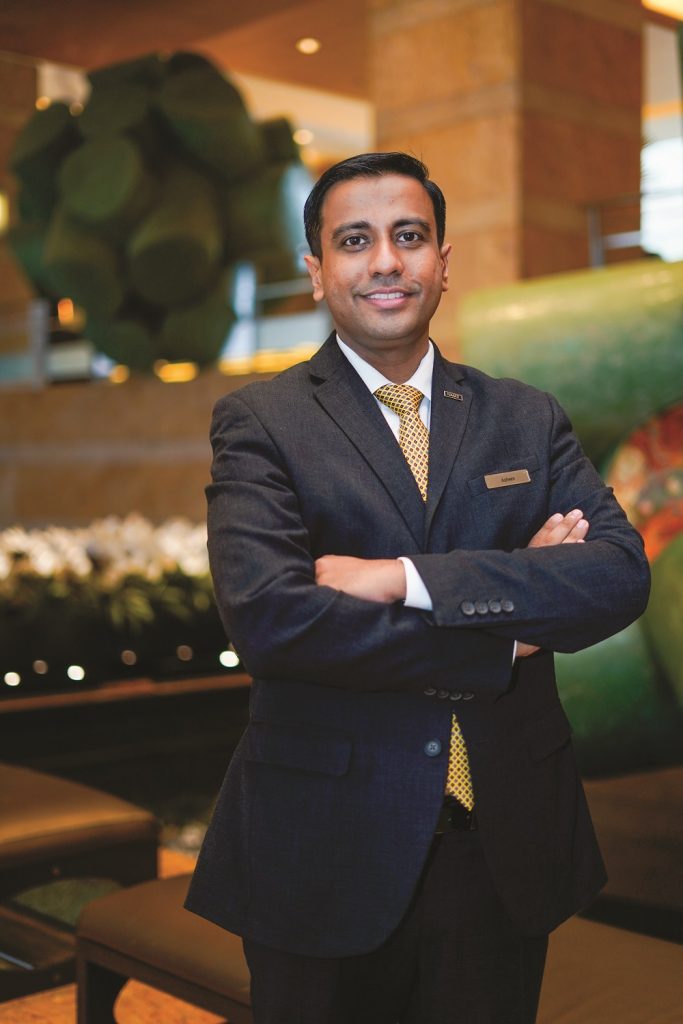
Ashwin Vaidya (AV): In today’s scenario, when there are many opportunities beyond hotels like multiplexes and real estate facility management companies, it is becoming difficult to get quality staff. However, on-the-job training is not difficult if you have well-trained associates who can mentor or buddy the new joiners.
IA: Recruiting, training, and managing a team of staff are a huge undertaking, especially for mid to large-scale businesses such as hotel groups, chains, or even bigger independents. Given the time and resources it takes to get all the cogs in place and working, it’s crucial to hire the right people, train them well, and keep them at your business long term.
This is indeed a challenge in high churn industries like hospitality, where turnover can be as high as 70%, but the enterprise can certainly meet this challenge successfully by following best practices and making a concerted effort to optimise how you manage this side of your business.

PM: Housekeeping skills can vary from customer service to being detail oriented, and one has to follow strict cleanliness guidelines at all levels for a successful workforce operation. It is important in the present day scenario that every new employee joining this department is treated as new and is properly guided and trained. Making an employee go through rigorous working hours can result in a hostile work atmosphere.
We always endeavour to create a good environment so that every new individual can adjust to the work culture. It is extremely difficult to find good quality trained staff these days, and thus, it depends on how well they are treated. Regular briefing and training help them become a key partner and a good performer.
Keeping a detailed planner and taking pride in your work should be the mantra. This not only ensures guest satisfaction, but also keeps the housekeeping staff motivated.

SS: After the pandemic we have had major challenges in finding staff as many people shifted to other industries during this time. This poses a great challenge in recruitment. To overcome this we have had to hire freshers and then provide them with extensive on the job training. They need constant guidance and support in order to learn the ropes.
Here are a few points we keep in mind for new employees:
Appoint mentors who help navigate the initial few days on the job
Check-in with new employees regularly during their first few weeks
Educate them about the company culture
Set achievable goals for guest satisfaction index
Provide regular feedback for course correction
Foster a pleasant work environment
Give employees creative freedom to create magical moments for our guests
Umamahesh Rao (UR): The pandemic has placed extraordinary demands on business leaders and beyond. The humanitarian toll taken by COVID-19 created fear among employees and made people master soft skills compared to technical skills. Now we are getting freshers on board as there is an acute shortage of trained manpower in the industry. We are providing all the necessary training and motivating them.

- Are you facing attrition challenges? How do you tackle them?
NA: As much ITC Narmada is committed to serving its guests and offering them a luxury hospitality experience, it is also committed to nurturing its own workforce and letting professionals find their growth opportunities here. Any aspiring professional does not just look forward to professional challenges that can hone their skills but also a better quality of life as one gets compensated and rewarded for one’s efforts.
We strongly believe in fostering a healthy work environment for our employees, an integral part of the ITC Narmada family. Better compensation, benefits and rewards are some of the cornerstones to fostering a conducive work environment. At the same time, we strongly believe that there is nothing that cannot be handled with the right training and interventions as needed. Human resources are our assets and they have and will invariably be supported by flexibility and appreciation.
PM: The talent crunch in the current day scenario post covid has become very critical as many fresh graduates are ditching the industry and this is in turn making a dearth of good candidates across all operation departments in a hotel. We as a hotel, are focusing on creating long-term opportunities for these candidates. We are making a personal development plan and keeping a regular check on their performance coupled with rap sessions with each employee every quarter, which is helping us to reward all of them based on their efforts.
in team building and distress. I personally do training sessions for the team as refresher topics to sharpen their knowledge skills. To get strong housekeeping culture we should be easily approachable to the team so that they are very confident to share things with you. We should have a good trust factor in the team so that team believes in us and is aligned with the goals. This, in turn, builds a very positive work culture.
- What are the motivational initiatives introduced by you for the team?
AG: Being recognised as a “Great Place to Work”, performance-based incentives are some of the major tools that Hilton has used to keep the team members motivated across departments. We use a mix of extrinsic and intrinsic ways to keep our team members motivated.
While we have the right rewards and recognition program in place, we also have introduced an incentives program for upselling packages such as ‘laundry upsell’ and ‘minibar upsell’. We have seen a hike in team member morale with the launch of upselling programs; this not only adds to hotel revenue but also acts as an additional income for team members. Moving forward, we plan to incentive team members on cleanliness scores as well as additional rooms done on shift.

- What are the cost-controlling methods adopted by you?
AG: Cost controlling may impact guest experience, whereas cost optimisation seeks to balance service delivery with the best customer experience, at the right level of cost. There are some cost optimisation methods where a housekeeper may have better control over wastage, such as accurate record keeping, effective scheduling, careful training and supervision, and efficient purchasing.

NA: Investing in the right way and meticulous cost management is the key to better efficiency of any business, and ITC Narmada is no different. We make it a point to monitor our costs vis-à-vis the organisation’s requirements from time to time. Our
I feel nurturing budding individuals in the current period will only help us develop them for their next role and also help change the overall mood of candidates who wish to pursue their careers ahead.
Giving each employee a proper work-life balance is important. As a manager, one on one conversation can lead to stress relief both physically and mentally. There has to be transparency maintained at all levels with increased performance-based incentives.
SC: Post-pandemic, the overall hospitality industry in India is facing a significant shortage of skilled employees, and so does housekeeping. However, we have introduced a couple of incentive policies to motivate the performers. We are also actively doing team engagement activities to facilitate team bonding, work-life balance and reduce workplace stress. Professional development programs and cross-department training help break the mundanity of the job.

UR: Post-pandemic change in guest expectations is one of the biggest problems in the hotel industry. Renewed lockdowns with new variants have been a disruption to the industry. This has led to a lack of significant demand and low occupancy rates with less travel. Staffing and payroll post furlough and redundancies are another major disturbance. In such a way, a strong leader plays an important role in attrition control.
We regularly celebrate our team’s success and try to get my leadership team also involved. Once a week, we organise small ice-breaking activities for the team in the department, which helps teams strictly observe weekly and monthly cost monitoring practices by analysing spending and requirements – all to ensure optimum utilisation of resources and minimise costs as and when necessary.
- What are some of the best practices that have enhanced your department’s performance and positively aided the bottom line?
AG: While the team members play a key role in ensuring the brand standards are maintained without much spillage, we have also rolled out a few initiatives to aid the bottom line. The laundry steam operation is strictly monitored based on occupancy, which has helped us optimise steam consumption, thus reducing energy units. Making in-house laundry bags from discarded bedsheets has not only reduced procuring costs, but also contributed to sustainability. The hotel is planning to place refillable wall-mounted bathroom amenities like shampoo and bath gel. We will also be removing plastic bottles, thus, reducing the plastic footprint in the hotel. Another way of driving efficiency is with cross-training, as it allows flexibility to the hotel to leverage other department staff to temporarily assist housekeeping during peak times without adding dedicated housekeeping overhead.
NA: The ITC promise of luxury hospitality comes with responsibility towards the environment and its resources through its commitment to sustainability. The sustainable practices ITC Hotels have implemented help in motivating and creating a sense of pride in the employees. These best practices set the class apart and differentiate us from the other hotel chains.
ITC Narmada registered with USGBC for Leadership in Energy and Environmental Design (LEED) platinum certification. Since its inception, ITC Narmada is Gujarat’s first LEED Platinum-certified hotel.
Right from developing the site to construction and operationalising, sustainability has been at the heart of design at ITC Narmada with an enhanced focus on energy efficiency, water efficiency, sustainable site development, use of sustainable materials and indoor environment quality. A series of sustainability initiatives such as rainwater harvesting, recycling water, using construction materials with high recycling content, and deploying energy-efficient systems for air conditioning, refrigeration and water pumping, among other key functions, have been actively taken up as a sustainable practice at ITC Narmada while offering unmatched luxury hospitality to its patrons.
PM: One of the prime cost-controlling methods undertaken is that of controlling misuse and unnecessary ordering of any product involved in the day-to-day activities of housekeeping.
With several hospitality chains starting to think about the lifespan of their products and taking necessary steps towards finding biodegradable, recyclable and reusable packaging, one such step that we have implemented is to replace our single-use plastic toiletry bottles with bulk dispensers for usage in all our guest rooms for shower gel, shampoo and conditioner.
Avoid unnecessary linen laundering and reduce biohazardous waste. Buying cleaning supplies in bulk or making a few of your own supplies reduces cost.
SC: The housekeeping department ensures the cleanliness, safeguarding and aesthetic entreat of the hotel. However, with the passing time, housekeeping services are increasingly becoming scientific and mechanised, and technology has brought a substantial change in efficiency and product quality in the housekeeping department, leading to a reduction of manpower and time. We are following the footsteps of the best technology-based practices in our hotel as well as streamlining and making optimal use of the workforce.
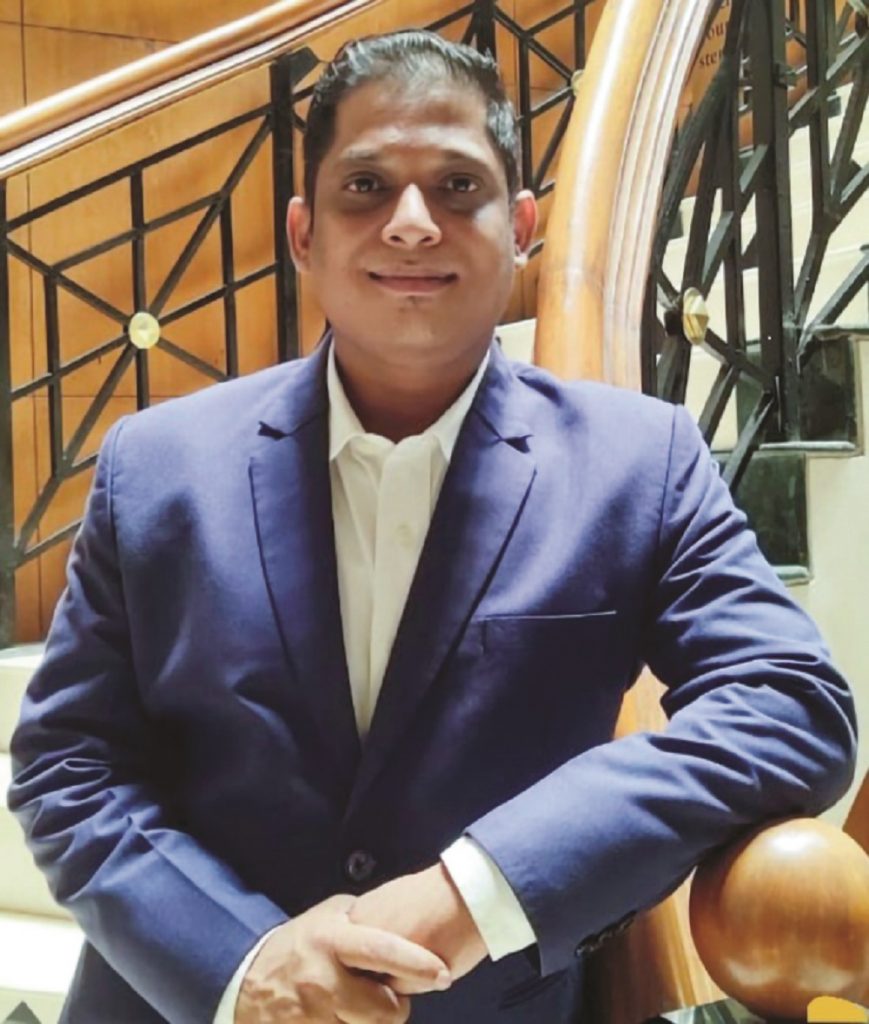
UR: We have not done any cost control but have tried to be better planned with our resources.
Systematic Approach to Requisition: There was a process of Adhoc purchase requests being made for wet amenities in housekeeping based on requirements that would affect the department’s profitability during the year. We devised a process of the week and monthly forecast and ordering of materials in housekeeping, which led to ensuring that department profitability is met month on month and is also 100 % accurate.
Sustainability: We have moved to 100% compliance with the single-use plastic ban in housekeeping. We moved to paper packaging of guest amenities,100% biodegradable garbage bags, and Glass water bottles for guest rooms. As part of the Prime Minister’s vision of a single-use plastic ban and the ethos of the eco practice, we are committed to no plastic use.