
Keeping track of consumer demands and expectations is critical for any industry’s development. During the pandemic, guest expectations kept evolving constantly as they increasingly sought safety and hygiene, compelling hoteliers to quickly adapt to technologies that could help them survive tough times.

Alok Jha, MD and CEO of EaseVenture
From mobile check-ins, contactless payments, facial recognition, smart rooms, chatbots to voice control, Alok Jha, MD and CEO of EaseVenture and Pallab Goswami, Business Head of EaseRoom tell Vinita Bhatia about the technology elements that the industry invested in order to ensure their guests’ safety, and keep their business operational. And how this is not a passing fad, but a trend that will be around for a long time.
How are hoteliers leveraging innovative technology solutions in their business recovery endeavours as the economy opens up?
Alok Jha (AJ): Due to COVID-19, guests have become more aware and concerned about safety and hygiene. It has become is essential to earn their trust at this point. Unless hoteliers ensure their safety, guests are not going to choose them. Moreover, implementing innovative technologies will make the hotels more comfortable and guest are attracted to properties that offer a better experience.
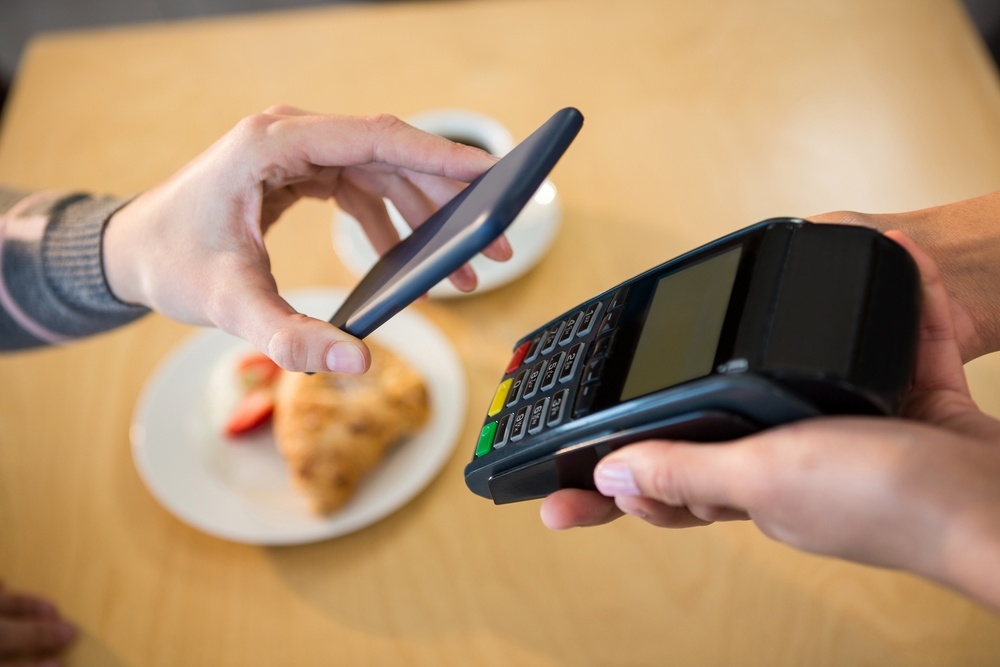
Hence, solutions like contactless check-in and check-out and food delivery with digital payments will make them feel comfortable and safe. Many hotels have already started implementing it since it can help them in business recovery right now, as the economy starts opening up.
Pallab Goswami (PG): Hospitality technology is advancing at a faster pace than ever before, and it can provide hoteliers with extraordinary operational improvements and huge savings. Some of it is changing how hotel developers plan their buildings and infrastructure, while others help hoteliers plan their management structure and staffing requirements. Solutions like mobile check-Ins, contactless payments, facial recognition, smart rooms, chatbots and voice control help hotels ensure their guests’ hygiene and safety along with offering comfort and convenience.
In addition to winning back guests, how can these technologies help hoteliers gain a competitive edge?
PG: The contactless mantra holds all the magic. Customers expect everything to be contact-free – right from the check-in, room service, housekeeping, food delivery to check-out – as they are wary of meeting strangers, irrespective whether the latter are wearing masks or taking safety precautions. Customer confidence will largely rely on how hoteliers effectively cater to their varied needs using contact-free solutions.
While many hotels have invested in contactless solutions across several departments, won’t regular technology upgrades add to their CAPEX?
AJ: In early days, hotels providing running hot water were considered luxurious and those with an elevator were considered premium. Today, consumers have very high expectations. Even, in the post-pandemic era, guests will be concerned about their safety and will prefer checking into hotels that offer maximum cleanliness and sanitation.
So, it is prudent for hotels to keep upgrading contactless technologies to boost customer confidence and retain their guests. This will also reduce the load on the workforce and enhance their productivity. In the long run, this evens out the investment.

Pallab Goswami, Business Head of EaseRoom
Do you see hoteliers shifting from legacy systems to cloud-based hotel management solutions to automate their daily operations?
PG: Hotels started investing in cloud services to delivering guests with instantaneous quality entertainment and online mobile content. At the same time, they might not necessarily want to invest in a large IT infrastructure and IT staff. This makes cloud computing the best solution.
The initial capital investment for cloud solutions is lower than IT infrastructure like servers. Investing in upgrades without causing a complete IT system overhaul removes the administrative burden of managing things internally.
Apart from this, it gives hotels the versatility to expand and improve selective components of their IT setup whenever needed, allowing for tremendous scope of business growth. Hoteliers can also manage and monitor all their guest-related activities in realtime, which helps them make well-informed business decisions.


