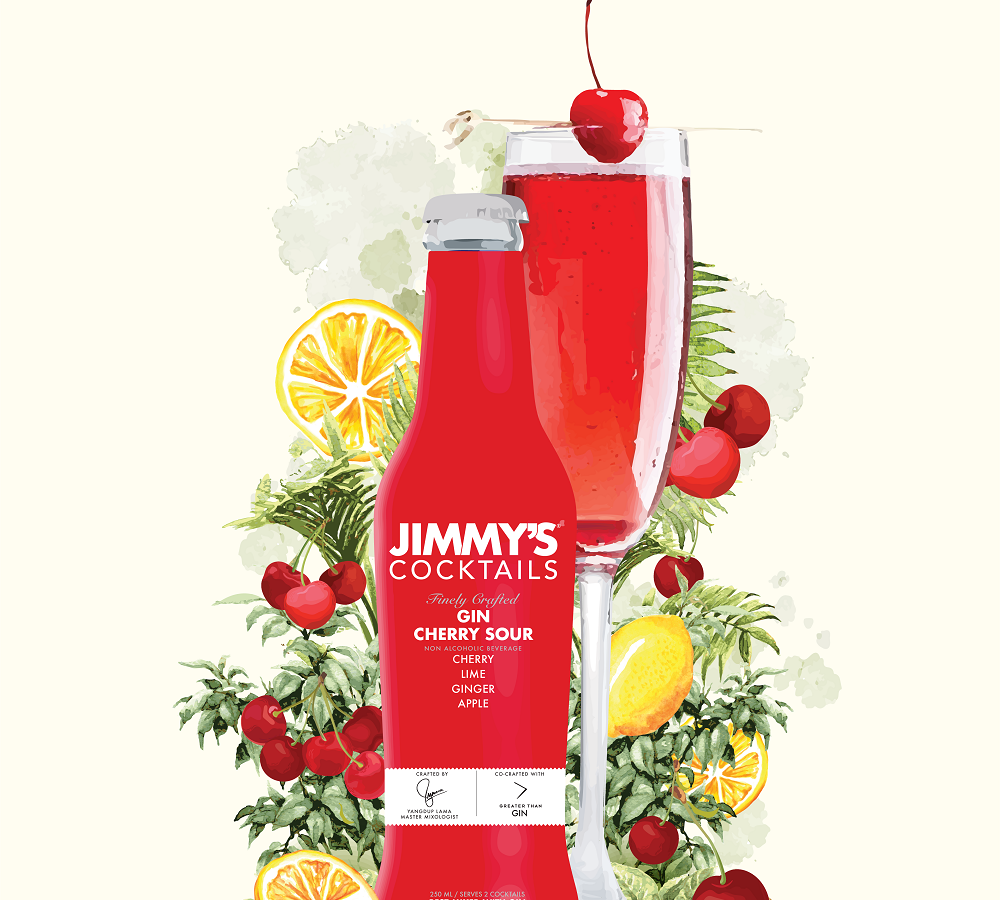
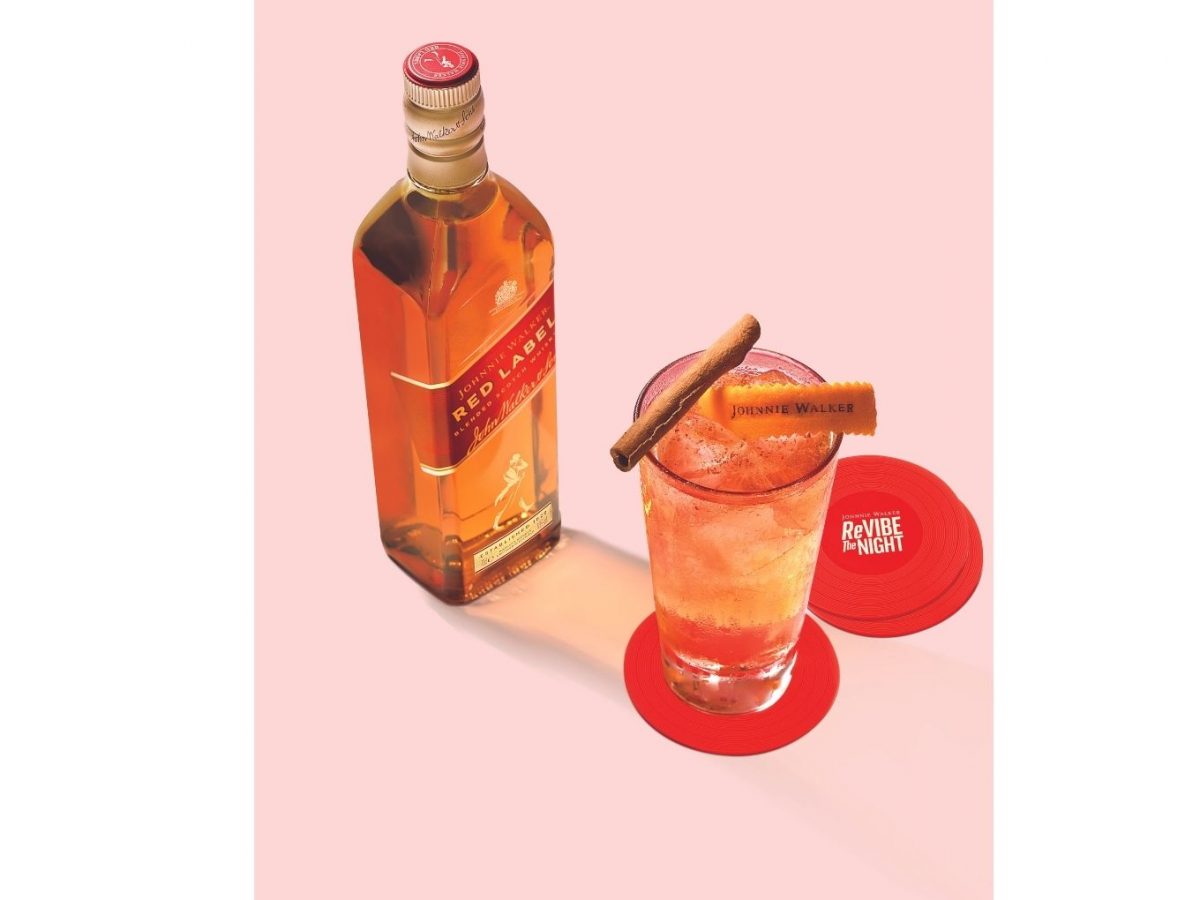
While growing up in Darjeeling, Yangdup Lama learned the art of brewing the perfect cup of tea. Boil the water, turn off the heat, steep the first flush of the tea leaves for precisely two minutes, strain and voila! One has the brew with a distinctive flavour and taste. This process, he also learned, is known as the ‘Agony of Leaves’.
Today, he digs into these memory troves to create unique cocktails that are eclectic and can build a connection with guests.
This approach of curating cocktails that bring a smile to the face of these customers is how he became the first Indian to be named in Drinks International’s Bar World 100 list of most influential people in 2020. His South Delhi bar, Sidecar, holds a place of pride in the World’s 50 Best Bars list. It was also voted India’s Best Bar in 2021 and bagged a coveted spot in Asia’s 50 Best Bars list for two years.

THE MASTER BEHIND THE BAR
Last weekend, JW Marriott Mumbai Juhu collaborated with Lama for a weekend popup at Dashanzi, where he presented five best-selling cocktails, including the ‘Agony of Leaves’. Nikita Ramchandani, this popup was in the works for several months, the hotel’s General Manager revealed.
“We had planned this event in January, but we did not want to be tone-deaf to the rising COVID cases,” Ramchandani revealed. “Now that the sceptre of the pandemic is not hovering over us as menacingly, we finally decided this was the perfect opportunity to have him over.”
She added that his presence at the hotel did not just boost the guest footfall but also team morale. Many associates even skipped their weekly leaves to be around when Lama was at the hotel and offered to help with prepping in the mise en place and preparing the garnishes. “It was nice to see this fandom moment behind the scenes, which is not surprising since Lama is humility personified and has several interesting stories to recount.”
Well, that part is definitely true – he is one heck of a storyteller with a bag full of anecdotes. Lama recalled how things had evolved when he was in the hospitality industry, and things were more uppish. “Back then, guests would feel overwhelmed while entering a hotel because service standards were more formal,” he reminisced. “The bar was the last place many would sit. Moreover, they would get upset if a particular dish or drink from the menu was unavailable.”
He is now delighted with how things have changed and for the better. The millennial generation wants an informal engagement in hotels, restaurants and bars, which is just an extension of their own personality. This has forced hospitality players to also up their game and approach.
In a complete reversal from the past, today, guests want to sit at the bar and talk to bartenders, asking for personalised drinks rather than those on the menu. “And once you wrap your head around the fact that the guest is also human and inform them that a particular dish or drink is not available, but you can offer alternatives, most are ready to listen and accept,” he smilingly pointed out.

LEARNING, BY HEART
Looking back 25 years ago, when he was a hotel professional himself, Lama noted that the only training that his peers and he received were through prescribed literature. Few could dream of walking into an upscale bar on their days off to see how other brands and professionals functioned.
Cut to the 21st century, and this has become par for the course. Today, most brands encourage their team members to visit other hotels and standalone establishments to get an insight into how the chefs and bartenders are experimenting with inimitable ingredients to serve up happiness on a platter or a glass.
“Back then, whisky and bourbon drinks would always be served in roly-poly glasses, but today, few bartenders use this glass anymore. Instead, we serve whisky in all kinds of interesting glassware. This is simply a result of the innovation that comes from cross-sectional exposure and from engaging with folks on either side of the bar,” Lama pointed out.

In fact, he makes it a point visit to take time out to visit bars in the neighbourhood to see what others are doing and how he can learn from them. Because he believes that the only way a bartender can keep pace with evolving customer expectations is by brushing up on their knowledge, skills, creativity and building their personality.
“I firmly believe that the success of a drink can be gauged if the guests whip out their phone to take a pic before they take a sip,” he winks. If an F&B professional can create a multi-sensory experience, they have gained their customer’s loyalty. And Sidecar’s success is testimony is proof that this dynamics of theatrics is working!