

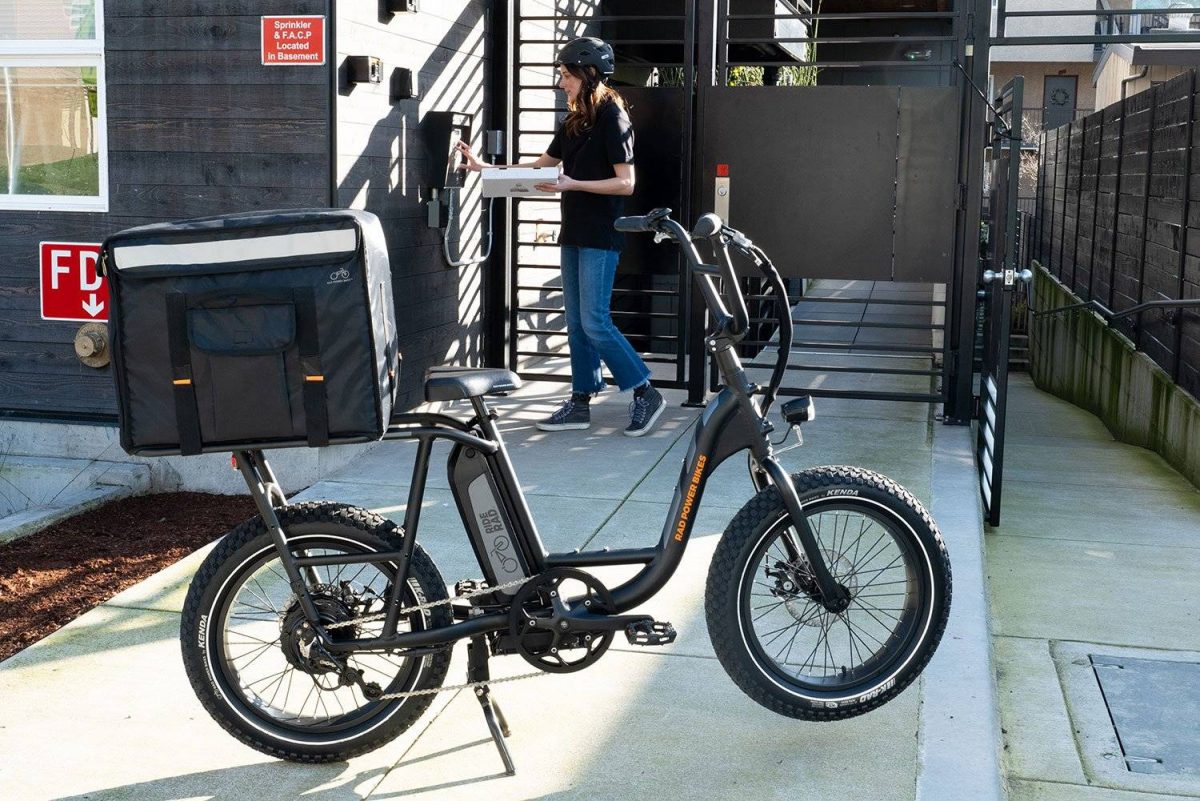
Mobility and food – two seemingly disparate sectors are undergoing one of the most transformational shifts, with far-reaching implications. Online marketplace Living Food Co. is using electric vehicles for their delivery fleet in Bangalore to integrate the future of food with the future of mobility. Currently, 30% of the company’s last-mile logistics is powered by a homegrown electric bike company. It aims to increase the use of electric-powered vehicles to 100% over the next year.
Speaking about the initiative, Akash Sajith, CEO of Living Food Company said, “Our goal here is to fundamentally change the way people think about food. This integration is significant on two accounts, it heralds a new integration between the Future of Food and the Future of mobility, thereby providing a holistic 360 degree take on what a sustainable future might hold. With fuel prices rising astronomically, this also helps economies of scale for the Living Food company, simultaneously helping them achieve their target of a sustainable future. And with both companies harnessing the power of technology to help consumers reduce their carbon footprints and significantly reduce carbon emissions, this is a window into the future.”
The current industrial food supply chain is extremely complex and plagued by inefficient supply management and wastage. With extreme weather ramping up globally, farmers are facing the brunt of climate change in agricultural practices around the world.
Food loss and wastage contribute up to nearly 30% of global greenhouse gas emissions. Such inefficiencies are massive contributors to global warming, and merit urgent action and innovations that are climate-positive.
Living Food Company attempts to solve these issues by delivering fresh produce with producing minimal waste. From freshly baked bread to vegetables harvested the day of delivery, it is trying to lower the local carbon footprint.
The startup sources locally from food artisans who are equally conscious about the environment. Setting off a cascading ripple effect, this can build a marketplace geared extensively towards sustainable and environment-friendly practices.


