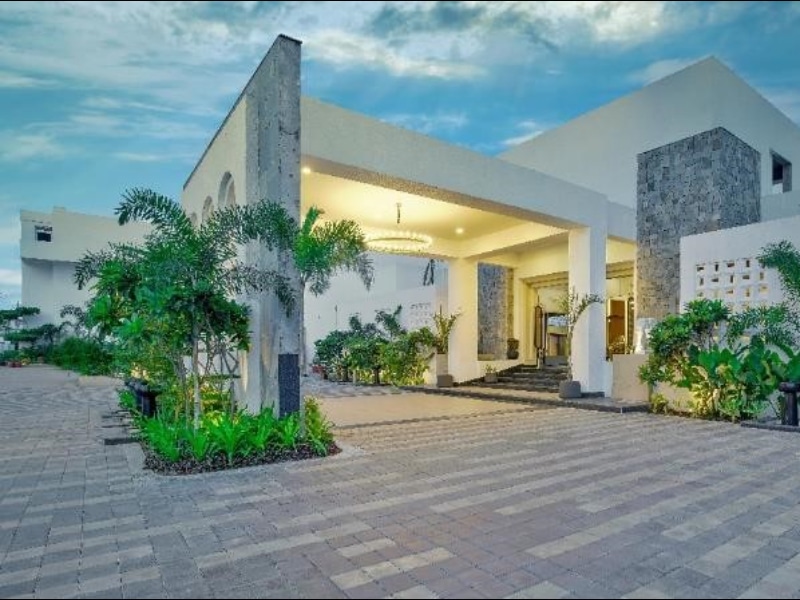


With conferences and meetings claiming a bigger piece of the revenue pie, we look at how brands are working towards using India’s new status as a top MICE country to their advantag – By Madhulika Dash
Early 1997: The management of Indian Habitat Centre is working at rewiring the connectivity of a conventional hall to the largest auditorium in the facility. On goal is connecting two rooms together, so more delegates can attend a breakthrough surgery workshop. Earlier in the day, the auditorium’s seating was changed into theatre style tier manner, and a 24/7 cafeteria was added.
It was, recalls Rakesh Anand, VP, F&B, Habitat World at The Indian Habitat Centre, “the first time that such an initiative was taken for a (medical) conference.” This management decision not only became a benchmark for conferences in hotel, but also laid the roadmap of hotel’s role in organising such big meetings and conferences.
“Just like that”, says Saket Gupta, GM, sales and marketing, Waterstones Hotel, “Conferences and meetings in hotels saw a sea change in the way it was arranged. Convention centres became key element for every hotel design that gradually began shaping themselves as MICE venues.” Heritage hotels were the first to carve their presence in the list of interesting MICE avenues, which offered more than just meeting places. Then came brands like Zuri White Sands Goa that, with their array of facilities (it has the largest spa in India) introduced a new category of MICE hotels. Of course leading by example was The Habitat World with its 25 convention halls, six carefully constructed outlets, 50 plus rooms and an army of 100 F&B specialist who could present an interesting menu to add value to a MICE event. “MICE,” says Shashi Razdan, director, sales and marketing, South Asia, Golden Tulip Hotels, “contributes 12- 15% to the hotel revenue.
The debut of Hyderabad International Convention Centre (HICC) however proved to be yet another turning point. Conveniently located right beside a five-star property, Novotel Hyderabad Convention Centre, it was a “success” in taking MICE events with a five star touch to the next level. Delegates now had the choice of enjoying five star facilities like the F&B outlets even while staying at the convention centre. This model that was replicated by MAYFAIR Lagoon in Bhubaneswar that created a convention hotel to play host to numerous MICE events.
“The beauty”, says Ravi Mohapatra, VP, F&B, MAYFAIR Hotels, “of having both alongside is that it allows for that extra scope of innovation and customisation that showcases the hotel as well.” And Gupta is in complete agreement.
Neil Paterson, GM, Novotel Hyderabad Convention Centre and HICC, adds, “Between both the properties, we cater to over 6 lakh people annually, with an approximate breakup of 65% domestic and 35% international. And in the past two months have seen over 60,000 registered delegates attending various events at the AccorHotels’ managed HICC, resulting in over 2 lakh footfalls within the same period.” He feels that the biggest contributing factor for turning the property that hosted 13 out of the 18 significant events in 2014 into one of the best MICE hotel in the country, is also the integration of local highlights, tours and culture-rich experiences that the hotel offers.
Stressing on the need for upscaling the MICE facilities, importantly the convention centre, to develop tier-II cities as MICE venues, Razdan says, “As a group, we are ensuring that newer hotels have the best convention facilities to attract MICE travellers. Hotels are going to be equipped with the modern state-of-the-art AV technologies, high-speed internet connectivity, special conference packages and various F&B options to entice MICE segment. We are in the process of big expansion over the next 2-3 years and are looking at target markets in South and North-East India with great business potential and also at Nepal and Bhutan. The growth in this segment is huge and India is rapidly growing with huge percentage sitting right at the bottom of the pyramid.”
The other factor that has hugely contributed to the success of MICE specialist hotels like Novotel Hyderabad and Hyatt Gurgaon, which was recently awarded the Best MICE hotel of North India, is also the constant upgradation of the technology in these places, from individual screens to high-end AV in meeting rooms, apps allowing easy accessibility to hotel facilities, interesting F&B concepts and state-of-the-art business centres capable of turning into a work space quickly.
A perfect example of the changing role of MICE within hotels is Aerocity in Delhi, which along with Hyderabad, has been rated as the top two MICE cities in India by International Congress and Convention Association (ICCA). This constantly expanding hotel hub is now in the process of combining its facilities to sell Aerocity as a combined MICE destination, which adds Gupta, today is a 1,22,000 crore worth industry and has seen a constant rise of 20% annually.
Take the instance of Pullman Aerocity, which shares its convention centre with Novotel, and now is in the process of designing its MICE offering with room and F&B shared with partner brands like Marriott and Ibis in the vicinity. Elaborating on the initiative that is billed to attract more outbound MICE travellers and turn Aerocity into one of the top MICE venues in the country, Tristan Beau Le Lomenie, GM, Pullman & Novotel Delhi Aerocity, is confident that this model will not only enable hotels to hold large conferences and expos, but also manage to give it uniqueness with facilities and infrastructure that are at par with the rest of the world. The plus point, adds Lomenie, “is that now with more rooms and F&B outlets at our disposal, we can now showcase ourselves as a hotel with tailormade products that are affordable for a wide variety of group and that too without any compromises.”
Undoubtedly, MICE has evolved as a major business segment for hotels, with companies realising the virtues of conducting offsite meetings, and this is reflected well in the design of hotels where the character of the convention centre has become as important as the hotel itself.
On the importance of curating a convention centre in a hotel today, Anuraag Bhatnagar, area GM, The St. Regis Mumbai, says, “The changing expectations from MICE venues is reflected in their design – meeting venues, break away spaces, hi-end technology, outdoor landscaping, etc. This thought guided the creation of the 3,906 m2 of elegantly designed and technologically savvy meeting spaces, which includes 6 spacious banquet halls and 9 meeting rooms, each with separate entrances and themes for any event.”
In fact, the brand in keeping with Bhatnagar’s need of better MICE avenues, which as he predicts “far exceed current supply for at least the next three to four years” has also introduced a dedicated SPOC (Single point of contact) for their MICE venues that are responsible for creating the necessary structure for MICE events and attractive initiatives.
A similar initiative by Westin is the Starwood Preferred Planner (SPP). Says Karthik Ramdas, complex director, sales and marketing, The Westin Gurgaon, New Delhi and The Westin Sohna Resort and Spa, “While it works much like the Starwood Preferred Guests (SPG), where guests can earn points and redeem it later for other facilities in any of the Westin properties, SPP goes a step further by allowing the member to hold meetings and events that are customised according to the preference right down to the meal with SuperFoodsRx menus, which have chefs designing themed coffee breaks and gourmet meals as per the taste and likings of the delegates.”
This, of course, is in addition to the hotel’s 15 distinct and inspiring meeting and banquet spaces, state-of-the-art amphitheatre and manicured outdoor lawns that are built to support functions of any type and size. Much like Le Brise at Grand Mercure Goa Shrem Resort (soon to be Novotel Goa Resorts & Spa), a seaside lounge spread over 20,000 sq-ft replete with the makings of a good conventional centre.
But are we on par with the MICE facilities abroad?
We have made our own benchmarks now, says Rohan Sable, GM, Grand Mercure Goa Shrem Resort, “The convention centres have had a 360 degree makeover since 2008. Today they are not just about big meeting places but a thoughtfully crafted destination that offers consolidated spaces to address, strategise, ideate and entertain in a setting that is at par with the best hotels and their offerings.”
“What also works to our advantage,” says Razdan, “is that India is a country blessed by nature and culture, which when effectively explored to create an experience, remains unique not only to the country but also the location where the hotel is, and that is a big advantage India (and Indian hotels) are playing on.”
Agrees Anand, who believes that a strong reason the Habitat World is still on top of the game is the availability of “culturally-rich experience within the vicinity itself.”
A delegate staying here can find art, culture, theatre and food within the facility along with rich sprinkling of history, and that is an experience that makes the travel effective,” adds Anand, who like Gupta, believes that with “visa on arrival and e-visa almost becoming a reality, MICE tourism will be the biggest earning segment for hotels.”
But is having a self-sufficient convention centre enough to the tap the potential MICE market that also cull the competition, considering that space, technology and state-of-the-art facilities are no more a defining factor of a MICE avenue?
“A self-sufficient convention centre is just the tip of the iceberg when it comes to selecting a hotel as a good MICE venue. Today, organisers and business guests seek a lot more than just the capacity of the room or technology provisions. While these factors are important and aid the decision-making process, they want a complete ecosystem while comparing venues. With a 24×7 lifestyle, business delegates tend to combine work with pleasure and travel along with their family; so connectivity, modes of transport, entertainment, recreation facilities and sightseeing also help market a MICE venue. A responsive, prompt and helpful staff that can deliver high standards of personalised care, further augments a brand’s reputation in this segment. Our experience shows that personalisation and tailored requirements are attributes that are in high demand amongst traveller groups today. Hotels that have various banqueting rooms with the facility of break-outs and a specialised team of professionals who can cater to every need and innovate with the guests, also stand a better chance in today’s environment,” says Paterson, who believes that their indigenous offerings will be the distinguishing factor when it comes to pulling a bigger share of MICE travellers to India.
Agrees Anand, who believes that the need of the hour is the “Sense of safety. Creating that safe environment without encroaching the privacy of guests and their free movement within the facility will be one of the top considerations for selecting a MICE avenue. Incidentally, it is also the biggest challenge currently that most hotels are facing.”
The other distinguished factor, says Gupta, “will be the detailing and services that a hotel has to offer. In Waterstones’ for instance, besides creating dining experiences, high tea get together and theme cocktails, we also offer entertainment options like stand-up comedians, saxophonists. We also suggest lessons on dinning etiquettes, cookery classes, zumba and yoga for delegates to choose from.”
“Brand association,” says Bhatnagar, “is yet another way of ensuring that hotels emerge as MICE locations. Like the Green theme of Westin. A space that has been created with energy-efficient light bulbs, double-sided meeting pads and water pitchers in lieu of bottled water to help eliminate waste and reduce consumption, and provides a sense of goodness without compromising on the standards.”
A similar initiative is the Herb Garden at Pullman Aerocity where people can actually create their break session menu with trained chefs by picking fresh from the garden. A tradition that Jahan Numa Retreat, too, follows along with its other facilities that include a cycle ride into a van vihar – a zoo fashioned like a safari – and heritage walks that take delegates back in time.
While the rise of offerings in the MICE segment is good news for travellers and hotels looking to claim a share in the pie, what, say experts, will be the biggest challenge now is the creation of that ‘aspirational room’ that would help the segment constantly evolve with high standards but keep the fine line between MICE and the luxury hotel offerings to their regular guests and patrons.
The brand that can create that room and keep it relevant with changing times, says Sable and Razdan, will eventually be able to reap more benefits of MICE and be more distinguished than others.