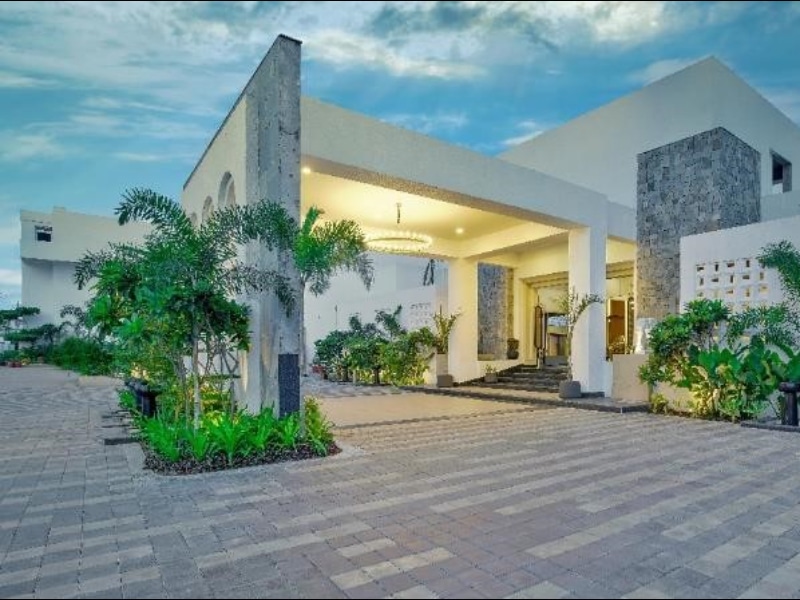
As an aspect that matters both practically and aesthetically, lighting is an aspect that is seeing several changes. New and unexpected ideas are cultivated when design and lighting are combined.
Novel routes
Each hotel is unique and therefore requires a different approach to its lighting. In general, it is still imperative to capture the client’s attention and come up with a unique design that fits their specific needs, be it a modern, minimalist, technology-driven lighting solution or a traditional opulent chandelier. The hospitality sector has raised the bar by going beyond UV lights to UV-C lights, which provide a relaxing atmosphere while also having germicidal qualities. This has especially become a trend post-Covid-19, since UV-C lighting reduces the spread of bacteria and germs, beautifying and sanitising the atmosphere simultaneously. In addition, interior designers are increasingly focusing on choosing high-tech features like dimming, colour-changing, and mood settings when considering hotel lighting ideas. For rooms, smart lighting has paved the way for a more personalised experience. The use of mobile phones is no longer limited to the convenience of room access. Hotels are now providing access to room lighting as well, where the hotel guest can adjust the room lighting levels based on their previous preferences with just a few taps on an app, thereby giving an unforgettable experience.
On the other hand, the elements are more intricate, with sculptural lights creating a tremendous wave in hotel design. The bespoke make and finishing can go beyond the aesthetics to become a vital branding element. More contemporary elements like acrylics have also broken the rigidity of metal-glass classics and made imaginative and artistic details enter reality.

First impressions
In lobby lighting, drama and functionality coexist. A hotel’s lobby serves as the first point of entry for guests to experience the hotel’s atmosphere. Design realism and drama should coexist in this setting. “A visitor should not have trouble locating the reception desk due to overwhelming or unusual design elements. The ideal ambient and glow lighting schemes effectively emphasise places that call for great visibility. The hotel entryway should ideally be able to relieve stress from your guest’s thoughts and encourage her to explore the hotel space. The lobby’s overall decorative lighting can include target lighting for seating areas, storage, and concierge,” says Narendra Rahurikar, Managing Director, D’fine Art.

Lights on hospitality
One new way to use light is to draw attention to the room’s focal points. Lighting can do that if the room has a cool piece of art or a beautiful bed set that you want to draw attention to. This helps the guests notice that area of the room. Putting directional lighting in any hotel area will be the first thing people notice when they walk in. Tushar Mistry, Principal Architect, TMDS (Tushar Mistry Design Studio), says, “Smart lighting is popular among hotels because it lets you change the colour of the room. With the lighting options available today, and especially with the changes that have come to LED lighting technologies, it is possible to add light in different shades, which are called ‘temperatures’ in the lighting world. Today, a hotel’s design team can choose a light colour that will make guests feel comfortable and at ease in their room. This could be a clean, modern white or cool, relaxing blue colour.”

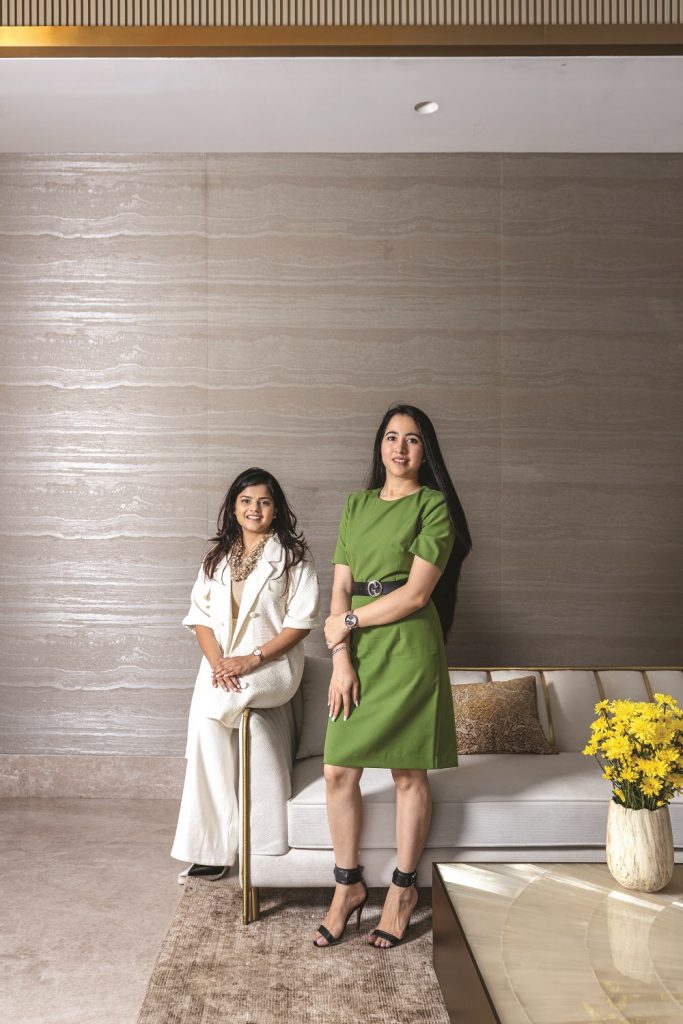
Rashi Bothra and Ruchi Gehani, Founders & Interior Designers, Azure Interiors, add, “The entrance lobby, reception, and common area lighting should be warm, welcoming and comfortable for a targeted experience for the customers. For some spaces, lighting should be flexible according to usage. Also, curtain-like lighting can be used to divide larger spaces. For bedrooms, a combination of lights can be layered paired with automation so it can be controlled according to the need. Minimum light requirements in rooms like vanity lights, reading lights, and foot lamps are seen in hotels.”
Trending now
The quality of the light source and the ease with which it can be replaced is an example of a requirement that we have seen more often. Jií Krišica, Head of Design, Sans Souci, says, “One of the major discernible trends is the push towards sustainability which is concurrently the driving force behind steadfastly emerging smart designs that go far beyond satisfying basic lighting needs. Mainly because of the COVID-19 pandemic, consumers are starting to focus more on health and well-being, which directly translates into an increase in demand for organic designs that incorporate natural materials in hopes of infusing the indoors with the outdoors.”

Design detail
The use of lighting allows you to appreciate the stunning architecture of the building and everything within and outside of it. Sculptural LED statement lights are being heavily used in hotels. It’s energy efficient and has widened the scope for designing lighting. Preferences towards natural lighting and complex LED light sculptures are the top trends in hotel lighting. “For example, events and outdoor spaces, and even restaurants need lighting that suits different use cases depending on the space. Planning suitable lighting for such needs, which differ with each project, and that is multipurpose are the biggest requirements now. Moreover, lighting being such an important part of hotel design, there is always the lingering question about ‘what’s new’ which is indeed a huge requirement for any interior designer and hotel to deliver a truly unique experience,” says Sapna Aggarwal, Creative Director, ANSA Architecture & Interiors.
Bespoke vibes
Because they are digitally aware, millennials demand personalised services and interactions. They are also ready to share their experiences with others and are not afraid to try new things. Lighting systems with automation or sensors enable remote control operation and automatically adjust brightness when natural light enters the space. Retro lighting includes dimmable lights, smart bulbs, and squirrel cage lamps, ensuring décor and practicality go hand in hand. In recent years, lighting in hotels has come far from the overwhelming demand for aesthetics and has become more functional.
The evolving lifestyles of people have also switched the activities in a hospitality space, raising the bar for functionality first. “The lighting concepts are largely based on the design concepts; newer trends in hotel design have transitioned the lighting patterns along with them. With conventional lobbies being taken over by alfresco concepts like gardens and other landscape features, outdoor lighting becomes an essential part of lighting design. Lighting now plays the role of enhancing spatial demarcations as well, further defining it as a tool for creating spatial identities.
Public zones like lobbies have dramatic accents, while private ones like the spas have dimmer underscores. Recreational and entertainment zones incorporate the latest trends for more personalised interactions. These spaces are open to experimentation with various light installations, projection mapping and more,” says Dhruva Kalra, Principal Architect, I’m D’sign. You can design the shape of a chandelier, pendant light, table lamp, or wall lamp yourself or hire a designer to assist you. This advantage of custom lighting allows you to match the lighting fixture to the overall look of your project.

Green cues
Lighting sensors for sensing sunshine and client presence is one way to make your business smarter. Due to their ability to automatically alter their brightness with respect to the amount of natural light entering the room, these devices help hotels save unnecessary expenditure on energy. “Hotels increasingly require sustainable lighting systems to play
their part in this vision. Upgrading to LED lights is, of course, the most common method, as these reduce the overall maintenance cost as well. Hotels require warmer lighting ranging from 1800-3000K for lobbies and hallways, while guest room lighting often ranges between 2700 and 3000K. Hence, hotels nowadays look to add lamps to the rooms with bulbs with interchangeable temperatures. This will allow people staying inside the hotel to alter the lights of their rooms according to their needs. A master switch that can turn off all the lights within a room is also a key requirement,” says Husain Johar, Founder and Creative Head, Makemyhouse.com.
Parag Shah, General Manager, Mercure Hyderabad KCP, adds, “Hotels are concerned about the lights as they are frequently used on a daily basis because of which consumption of electricity is high. Due to high consumption of units, hotels have adapted for LED lights which are not very beneficial for a living being.”
Connecting right

Hotels are increasingly focused on reducing their carbon footprint and adopting sustainable technologies, whether it is zero plastics, solar energy, or improved energy efficiency within the hotel. Sumit Joshi, CEO & Managing Director, Signify South Asia says, “This is where connected lighting systems like ‘Interact Hospitality’ can help hotels achieve both goals, as it lets them manage their lighting assets to deliver an enhanced experience for guests, while also improving staff efficiency and delivering energy savings at the same time. Connected LED lighting helps deliver dynamic, mood- enhancing lighting scenes in guest rooms, restaurants, concert halls—wherever needed, to improve the overall ambience in the hotel.” Connected lighting systems like interactive hospitality enable professional users like hotels to significantly reduce their energy consumption and simplify operations by integrating other systems like HVAC, and guest hospitality management, amongst others.
Maintenance matters
Upkeeping of lights takes a closer look into the material and the make. The intricate and fragile pieces need special care as they can be sensitive to commercial cleaning equipment. More minor challenges like wear and tear can be minimised using contactless, sensor-operated lighting systems that are both practical and user-friendly. “Moreover, since this market is fragmented and most hotels either import/ buy from integrators, they find it difficult to get the same model while maintenance/ replacement adds to their operational costs and downtime. From an aesthetics point of view, many hotels face challenges with colour temperature shifts, low light levels and the like that become a major reason for guest dissatisfaction,” adds Joshi. The clarity and depth of lighting can ensure no claustrophobic impression for any visitor, opening the hotel as a space designed for all.