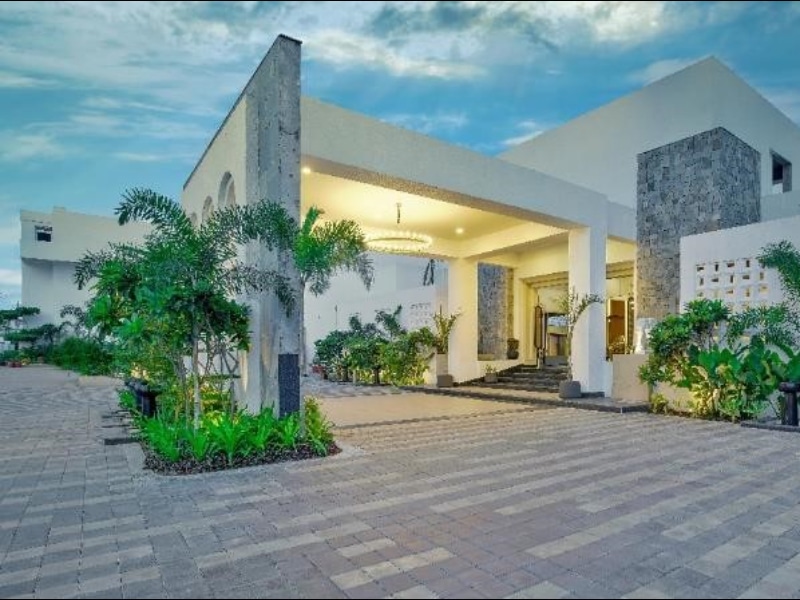
The association lists demands for improvement of hospitality and tourism sectors.
The Hotel and Restaurant Association of North India (HRANI) held a press conference in New Delhi to examine the pending issues, which need to be tackled for the hospitality industry to thrive in India.
President SM Shervani said, “Is India serious about tourism? In Delhi and NCR alone before CWG, there was a shortfall of 40,000 rooms. However, encouraging hotels to come up in the NCR region has resulted in oversupply, leading to low occupancy and ARRs.”
HRANI has put forth a series of guidelines for the government, which include:
Single window clearance: This would help projects get clear faster. Currently, even though a hotel may come up in 18 months, the clearance before and after construction, take up to a year, easily.
Infrastructure status: Hospitality and tourism sectors be made a part of the National Infrastructure Development under Section 80IA (4) of the Income Tax act on par with other facilities such as airports, bridges, sanitation projects, water works etc. This period should be extended to 10 years.
Clarification on special provisions in special category states: The special category states which include Sikkim, Assam, Tripura, Meghalaya, Mizoram, Nagaland, Manipur, Arunachal Pradesh, Uttarakhand and Himachal Pradesh are allowed 100% deductions from profit and gains for five years for computing total income for promoting eco-tourism under the Income Tax Act 1961, schedule XIV, Part C, Serial no 5, which includes, “eco-tourism, including hotels, resorts, spas, entertainment, amusement parks and ropeways”.
However, the income tax authorities have disallowed deductions to hoteliers saying that the activity of the hotel does not constitute an operation specified in the Act. Various appeals are pending.
Tax exemption under Section 80HHD: This should be allowed to hotel companies which reinvest their profits in new hotel projects and expansion of existing hotels – five year tax exemptions benefit hoteliers due to high capital investment their projects require.
Reserve Bank of India: Remove constraints in raising funding of projects at a lower interest rate, longer repayment schedule and include hotels under RBI’s scope of infrastructure lending.
Rationalisation of taxes: Issues related to state government taxes should be referred to the Empowered Committee of the State Finance Ministers so that a common policy can evolve for the whole country with regard to luxury tax, as well as uniform VAT/sales tax on F&B and excise duty on liquor, when GST is introduced next year.
Increase in FSI: To make existing projects more feasible, FSI should be increased to make more rooms on lesser land, reducing the cost of the project.
Encouragement for budget and mid level hotels: This is necessary for both domestic and foreign tourists.
Visa on arrival: The new law according to which a foreigner cannot return to the country within two months of having visited it, has affected tourism.
Excise fee: There is a disparity in excise fee in different states. Excise fee should be fixed according to the size of the establishment, type and hours of operation to enable our hoteliers to compete with international ones.
Standalone restaurants: They need to be recognised, understood, and their licensing procedures made simpler and easier. Project approvals should be given to hoteliers to enable them to get faster clearance.