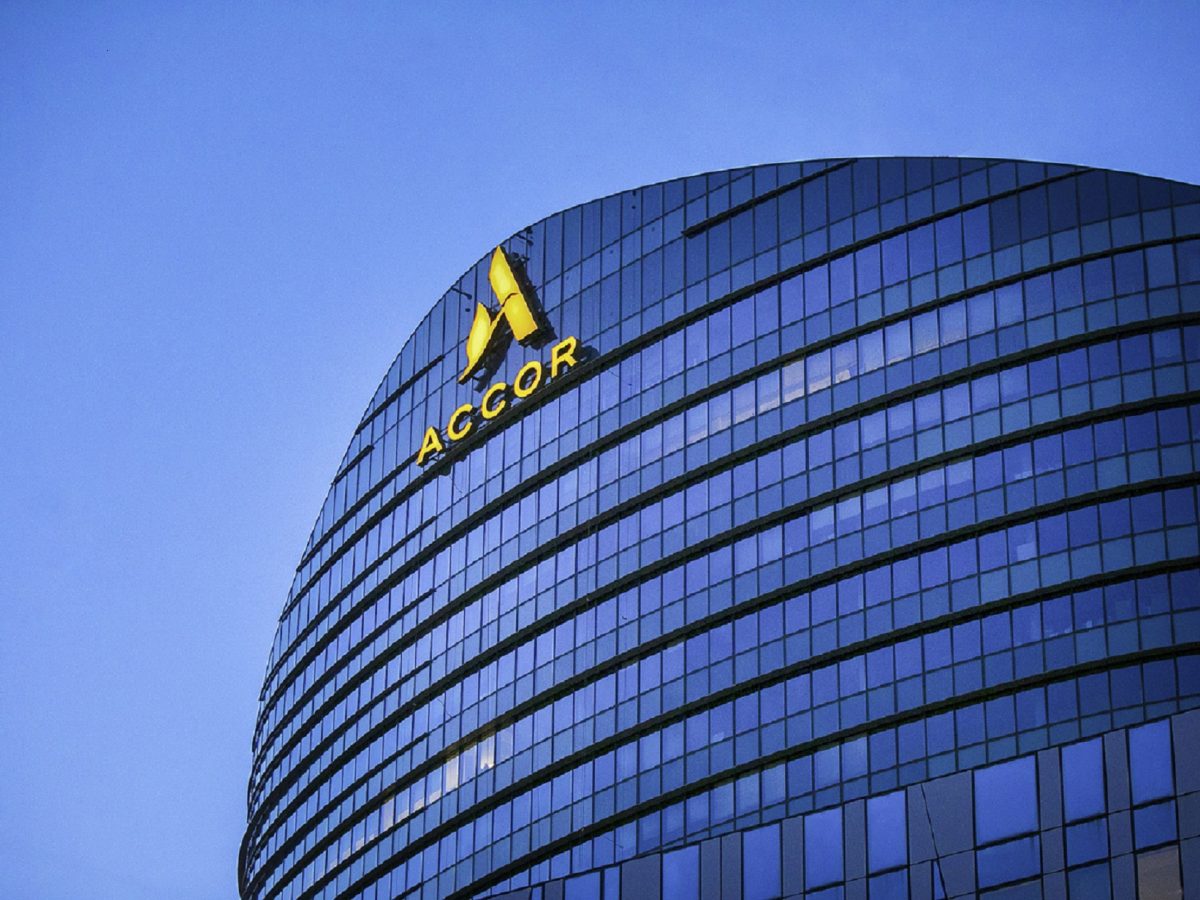
French hospitality major, Accor Hotels, plans to add 17 hotels in India over the next few years, spanning the luxury, premium, midscale and economy segments. A much-awaited launch is that of the 600-room Fairmont hotel in Mumbai, which will be the second property under this brand, following the Fairmont Jaipur’s debut in 2012.
Accor is relying on the Shrem Group to develop this property, which it believes will be the jewel in the company’s crown in Mumbai. This affiliation is all but expected since Shrem also developed other Accor properties in the past, including Novotel Goa Shrem Resort and Grand Mercure Shrem Resort.
Now, Nitan Chhatwal is focusing all his energies on bringing Fairmont to the Maximum City at the earliest. This is not easy since the pandemic changed the construction industry drastically. However, he is confident that the worst is behind the industry, and things will only move upwards from here on.
How did the pandemic impact your project pipeline?
The pandemic affected our project by six months during the first lockdown, which the Central and State government declared on 22nd March 20. Financing has always been a challenge in the hospitality industry, and this became even worse during the pandemic.
Thankfully, the government supported the sector with initiatives like the Emergency Credit Line Scheme (ECGLS0 and Targeted Long Term Repo Operations. This helped stakeholders to get additional finance.

While hotel development is regaining steam, has rising construction costs impacted your growth plans in design, lending, pricing, development, and project management?
Yes, post-pandemic construction cost has definitely increased by 15% to 20%. The cost of building materials like steel, cement, and related material has also been growing quarter on quarter due to a mismatch in production and supply. But with proper planning, budgeting, and execution, we were able to control the cost with a marginal increase of 8% to 9% for our project.
How did your company overcome challenges like lack of materials, ongoing disruptions to the supply chain, and labour challenges while constructing Fairmont Mumbai?
We effectively handled the lack of material and continual disruptions to the supply chain. We managed building material production in tier II cities since we constructed hotels using pre-fabricated steel structures instead of basic civil construction.
Moreover, during the pandemic, most of our labour force was retained close to our project’s location. This minimised the non-availability of workers, both skilled and unskilled.
How can developers and owners pivot their business strategies to adapt to constant disruption, run operations more efficiently, and find the path to a profitable future?
One thing that we are focused on is proper planning and design of our project by using prefab material. This resulted in better management of contingencies. Moreover, we are concentrating our energies on developing Fairmont Mumbai, which we hope to launch in 2024. We have no plans for other constructions until we complete this project.