Known as the sunshine state with a steady stream of domestic and global travelers, several hotels launched operations in Goa over the past few years to capitalise on this growth. It seemed like a win-win for hotel owners and operators.
The last few years of encouraging tourism growth in Goa led to mushrooming of several categories of hotels. Domestic tourism, which had a double digit growth, also had a positive impact on the ARR.
However, the pandemic impacted both hotel owners and operations players in terms of business opportunities and asset monetisation. While the allure of Goa as a destination is till undeniable, many are wondering whether the market is now over-saturated.
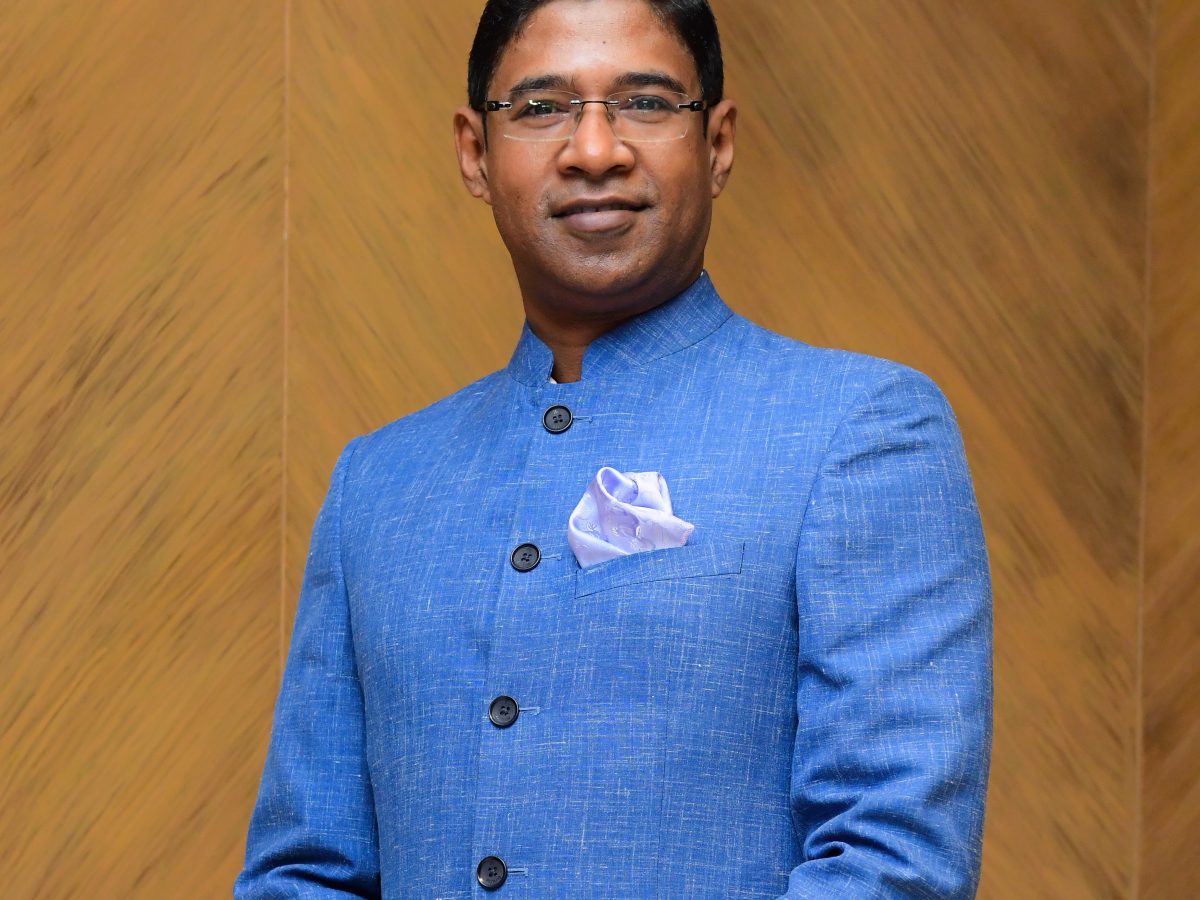
Ashutosh Kharangate, Founder and MD of MARC, a market research, analytics and business advisory company begs to differ. He explains why new-age players with select service brands will prosper in the state.
Is Goa’s successful hospitality growth coming to a gradual halt?
Most hotels in the state saw an encouraging first few years with a decent occupancy of an average of 60% throughout the year. The ARR averaged roughly around INR 3,500. While this prompted few branded 4 and 5 star hotels to enter or expand in Goa, it also led to an unprecedented increase in home stays, 2- and 3-starred hotels.
However, this trend led to an over-supply. Quality and infrastructure were compromised. Several hotels lacked basic features and amenities, including but not limited to absence of access roads.
Due to pandemic-related lockdown, dipping occupancy and ARR levels, many standalone hotels were wiped off. They weren’t fundamentally sound to begin with both in terms of quality and financial capabilities. Others in their initial years could not survive the cash flow constraints. It is strongly believed that over 30% of such of owner or operator run hotels may not re-open again.
Does this mean that legacy brands will make way for new-age players with select service brands?
Absolutely. Due to the effects of pandemic, the traveller will want an assurance of safety and quality. Generally, an average mind associates this with brands. These have the reach and financial wherewithal to focus on genuinely implementing these changes and communicating the message across.
At the same time, legacy brands may struggle. Hence, it is the best time for new age players with select service brands to prosper. We are aware of about 50 legacy hotels changing hands in terms of management and branding.
With many hotel owners keen to renegotiate with hotel chains post-pandemic, is there serious competition for assets at the moment?
Yes and no. While many hotel owners are keen to negotiate, the brands have expectations in terms of what qualifies as a good asset. This shall be in terms of infrastructure, location, possibility of modification, amenities.
Further, they have a fixed template in terms of offering to the owners in terms of commercials. Several hotel owners do not meet these criteria.
Moreover, some owners expect the brands to bail them out, while few brands are considering an outright buy out. They keen on management contracts instead.
Several times this also requires the hotel owner to invest to improve infrastructure. Very few owners are willing to do so.

Ashutosh Kharangate, Founder and MD of MARC
Is there any significant growth of multiples of valuation for hospitality assets in the state?
Valuations of assets in Goa have always been very aggressive. They are never business valuations driven. Often, the books of accounts don’t justify the valuations expected.
Over last few years, valuations had reached astronomical proportions. The average ask was INR 1 cr per room.
Following pandemic, many hotels are in distress. Several have turned into NPAs and hence, banks have taken possession. It is expected that transactions may happen now at more realistic or distressed valuations. The value offered shall be based on the desperation of the owner to exit. We expect more deals to happen in a period of six to 12 months.
Many hotel owners are still coming to terms with the pandemic’s impact and resultant crashes in revenues. How can they judiciously calibrate financing and investments pre-crisis with the current situation?
Without an iota of doubt, this is a tough time for the sector. It is believed almost 50% of hoteliers are under stress. Many recent openings and expansions were debt driven.
The repeated lockdowns and fear factor amongst travellers have caused a major strain in terms of cash flows. Wherever possible owners have availed the moratorium as was offered last year and opted for the additional credit limit to survive.
Many owners have proactively approached the banks for further limits, restructuring and or seeking extended moratorium. The owners who had a good track record have managed to do so and are tiding over. The others have suffered. Around 30% of properties have gone under.
How can they continue with this calibration considering that earnings before interest, taxes, depreciation, and amortisation are increasing, but revenues are stagnating?
Not only have revenues reduced, but margins have shrunk as operating costs have increased. This is due to enhanced measures to gain traveller confidence, in terms of following SOPs and marketing to gain attention.
Moreover, due to the increased interest costs due to additional working capital limits obtained to survive this period, cash flows have gone down. Businesses with deep pockets and hotels chain might tide this period.
The standalone ones and smaller establishments are clinging on to hope and expecting that the markets and situation will normalise before their moratorium period or the enhanced working capital limits expire. Most businesses are hoping for some major benefits from the government to help them turn green again.
Do you think that the pandemic could have some underlying investment opportunities for either hotel owners or operators?
I firmly believe this is an opportunity for market correction. When times are good it leads to mushrooming of suppliers. This creates over supply in the market. Further, quality is compromised. This has an effect on the prices as well. Hence it spoils the market.
In times like these, fundamentally strong businesses will survive. This is an ideal phase for market consolidation. The owners and operators should look for quality assets to acquire or operate. This is time to capture market share on strong valuations.