While there is no doubt that food and beverage is a key driver of revenues in hospitality, this is an avenue that has a well thought out revenue strategy in place that includes several aspects like menu engineering, yield management, and demand forecasting to make sure that the bottom line is boosted. Achieving revenue growth and continuous improvement in hotel F&B requires the implementation of numerous plans and strategies. By carefully strategizing and executing these initiatives, hotels can ensure their F&B operations thrive and achieve year-on-year financial growth.
Myriad Techniques
Hoteliers have a variety of revenue-boosting strategies as far as F&B operations are concerned. These include aspects like menu engineering, a strategy that involves analysing the profitability and popularity of menu items to determine their placement, pricing, and promotion. By identifying high-margin and popular dishes, restaurants can adjust prices, highlight certain items, and modify recipes to maximize revenue.

“Offering limited-time promotions, special menus, combo deals, happy hours, or seasonal packages can attract customers and boost sales during off-peak hours or slower seasons. These strategies encourage customers to make additional purchases, try new items, or visit during less busy times. Training staff to upsell or cross-sell complementary food and beverage items can increase the average transaction value. By suggesting add-ons, upgrades, or pairings, businesses can increase sales while enhancing the overall customer experience,” explains Varun Kumar, Director of Food & Beverage, Sheraton Grand, Bengaluru, Brigade Gateway.
Yield management that focuses on optimizing capacity utilization and revenue by adjusting prices based on demand is commonly used in catering, banquets, and events where fixed resources, such as space or time, are limited.
Dynamic Pricing
Restaurants and bars may employ dynamic pricing techniques, where prices fluctuate based on factors such as demand, time of day, seasonality, or special events. This strategy allows businesses to adjust prices in real-time to optimize revenue and maintain a balance between demand and profitability.
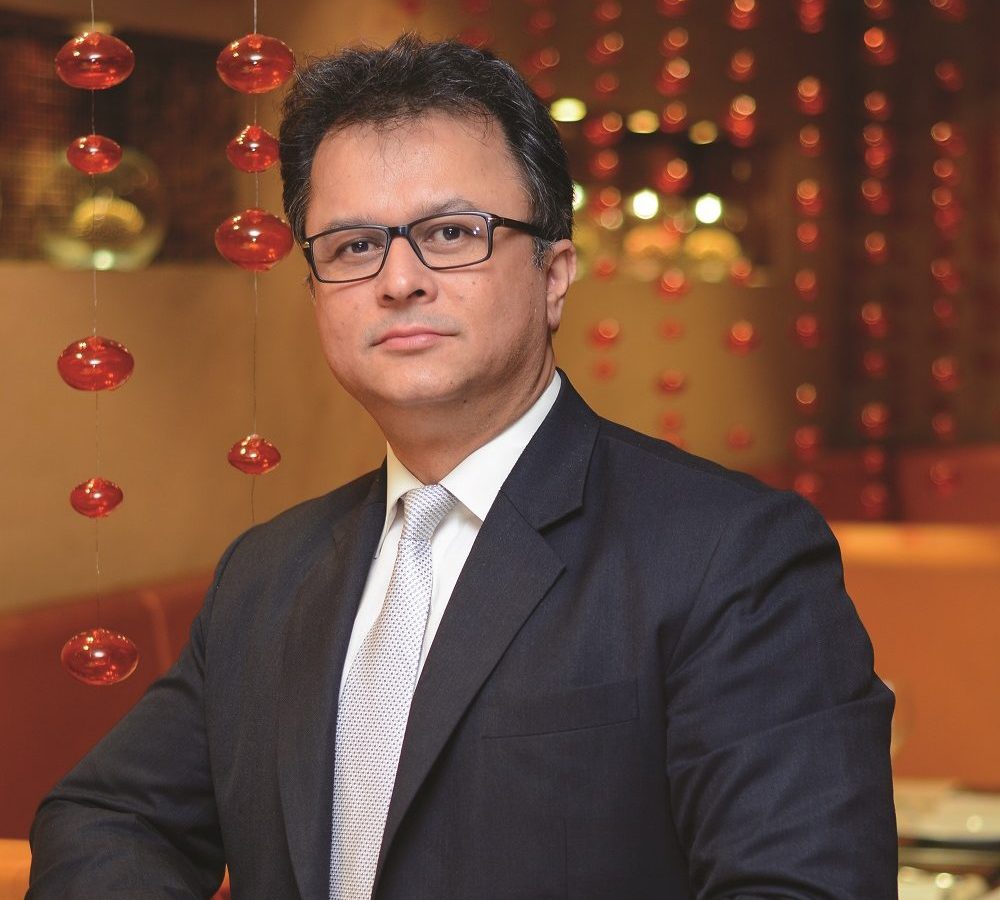
Pramode Bhandari, Area General Manager, THE Park Kolkata, says, “Dynamic pricing provides indirect inventory control by allowing discounted rates to be deployed for over-stocked products to reduce their quantities, hence maximizing revenue for non/ fewer moving items. This strategy also lets you charge higher prices for high-in-demand items. It helps in reducing prices during slow hours and increasing prices during peak hours thus maximizing revenue. Discounts/ happy hours/ bundled pricings all can be used to enhance footfalls during lean meal periods. Regular study of pricing along with that of your competitors is crucial for forming a successful dynamic pricing strategy. Dynamic pricing also allows you to reach out to different segments and age groups of guests thus increasing the opportunity to enhance revenue.”
Giving a Boost
Hotels can enhance the in-room dining experience by offering an enticing room service menu with a wide range of options. Extending the availability of in-room dining to cover more hours, including late-night options, can further attract guests and generate additional revenue. Hotels can revamp their bar offerings by introducing creative and unique cocktails, craft ing beers, or stocking a selection of premium spirits. Implementing a loyalty program can incentivize repeat business from guests.

Rakesh Roy, Food & Beverage Manager, Hotel Sahara Star, says, “We offer catering services for corporate events, weddings, and other special occasions. We also collaborate with local businesses to provide exclusive dining experiences or host food festivals. These initiatives help expand our customer base and generate additional revenue beyond traditional dining-in services. We offer an extensive in-room dining menu, highlight popular items, and ensure quick delivery. Additionally, we implement upselling techniques by suggesting add-ons or promoting special packages to enhance the guest experience. For takeaway sales, we promote our grab-and-go options, implement online ordering systems, and offer discounts or loyalty rewards to encourage repeat orders.”

Do the New
There are many new revenue streams that are being tapped as well like ghost kitchens, also known as cloud kitchens or virtual kitchens, that allow restaurants to operate without a traditional dine-in space and focus solely on delivery or takeout.
“Virtual brands are restaurant concepts created exclusively for online ordering and delivery, targeting specific cuisines or niches. Restaurants can tap into the demand for convenient cooking experiences by offering their own meal kits. Restaurants can implement subscription-based models, offering monthly or yearly subscriptions with various perks such as exclusive discounts, priority reservations, personalized recommendations, or access to special events. Subscriptions create recurring revenue streams and foster customer loyalty. Restaurants can expand their revenue streams by selling branded merchandise, specialty food products, or packaged goods within their establishments. Emphasizing beverage programs can be a lucrative revenue stream. Restaurants can curate wine, beer, or cocktail lists, host tasting events, mixology classes, or collaborate with local breweries or wineries to create exclusive partnerships,” explains Kumar.
Optimize Table Turnover
Optimizing restaurant table turnover is essential for maximizing revenue and accommodating more guests. Efficient seating and table layout should be designed to maximize capacity without compromising guest comfort. This can be achieved by choosing appropriate table sizes and arrangements that allow for easy movement and efficient service, striking a balance between seating optimization and a comfortable dining experience.

Rajesh Namby, General Manager, Raffles Udaipur, says, “Optimise your seating arrangements to maximize the number of guests you can accommodate without compromising comfort. Consider the size of the tables, the spacing between them, and the flow of foot traffic to ensure efficient movement and minimize congestion. Implement a well-organized reservation system to manage guest bookings effectively. Use a digital reservation platform that allows guests to book online and provides real-time updates on table availability. Assign a dedicated staff member to manage seating and ensure a smooth transition between occupied and vacant tables. Emphasise the importance of quick and thorough table cleaning to maintain a high level of hygiene and efficiency. Encourage your staff to promptly take orders and ensure efficient communication with the kitchen. Analyse your peak hours and identify any patterns or bottlenecks in table turnover. Adjust staffing levels, accordingly, ensuring you have sufficient staff during busy periods to handle the increased volume of guests. By proactively managing peak hours, you can improve overall efficiency and reduce wait times.”
Embracing digital solutions is another effective strategy. Online reservations with specific time slots allow guests to adhere to their allotted dining times, aiding in smoother table turnover.
Service Standards
Room service plays a crucial role in delivering food to guests, but it is essential to go beyond just the delivery and focus on providing a memorable experience.
“At Sheraton Grand Palace Indore, we prioritize delivering an exceptional experience to our guests, creating a comfortable environment for them to easily place orders, and ensuring prompt delivery. We place significant emphasis on the packaging materials we use for takeaways, ensuring they are sustainable and durable to prevent any spills for our guests. Additionally, timely delivery is crucial for takeaways, as it implies that a guest is already waiting for the order to arrive. Therefore, our takeaway menu is designed with shorter production times compared to our regular menus, ensuring efficient service,” says Nishanth Duvoor, Director of Food & Beverage, Sheraton Grand Palace Indore.

Strategic Cues
There are several effective strategies to increase hotel F&B revenue. Firstly, investing in staff training is crucial. “By providing comprehensive training, we ensure that our team delivers exceptional service and is equipped to identify upselling opportunities. Additionally, offering local cuisine can be a major draw for guests. Furthermore, tailoring F&B offerings to match guests’ preferences and needs can greatly impact revenue. By understanding their individual tastes and desires, we customize recommendations and offerings, increasing the likelihood of additional purchases. Another avenue to explore is focusing on beverage sales. By implementing effective marketing strategies and emphasizing the quality and variety of beverage options, we encourage guests to indulge in refreshing and enticing drinks. Lastly, we never underestimate the power of repeat guests. Remembering their preferences and providing personalized experiences, foster loyalty and encourage them to return, ultimately boosting the revenue,” says Mahinder Rawat, General Manager, The Orchid Hotel Shimla.

The F&B department plays a vital role as the prominent face of any hotel. To drive motivation and success, there is nothing quite like vibrant F&B outlets, bustling banquets, and a loyal base of repeat customers, and this can be best achieved with a well thought out revenue strategy which will be a win-win for both the hotel and its staff