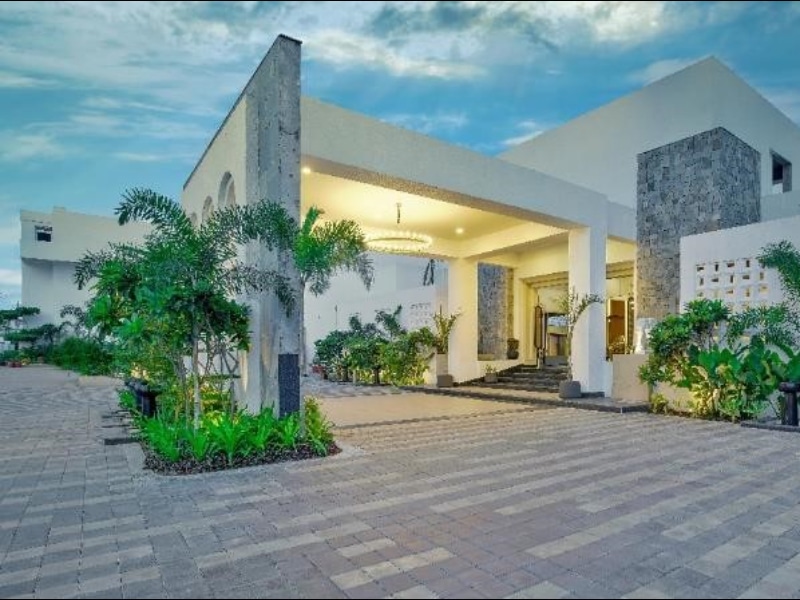
Biophilia refers to humans’ innate need for connections to nature. The big ‘B’ word in the age of mindful living and sustainability is biophilic living, where those living in a highly urbanised setting are adapting to a lifestyle that aligns with nature rather than oppose it. One of the many areas where you can see its impact is on housing and décor.

Architects, real estate developers and interior designers are now seeking and replicating designs that tap into the biophilic philosophy, which is love of life and nature. Biophilic design incorporates natural elements into the construction and interiors of buildings. Wood is one of the few natural elements that can simultaneously achieve four important goals: reduced carbon emissions; increased sustainability in a building’s life cycle; improved occupant well-being; and increased organizational benefits from having happier, healthier and more productive employees.
A project rooted in biophilic design, includes incorporating natural elements like plants and woods as well as making organic use of natural lighting, ventilation and water to boost health, quality of life and conservation of energy. Canadian Wood blends itself well to the concept of biophilia as well as designs because it is sourced from sustainable forests and goes beyond the role played by regular organic counterpart; it is now leading the trend of biophilic design worldwide, including India. Here’s how it benefits those who opt for biophilic living through Canadian Wood projects:

Check on stress levels: One of the leading factors in the rise of biophilic designs is the calming effect of wood on people. Studies show that when individuals have contact with nature, their neurological, physiological and psychological responses result in less stress, lower blood pressure, more relaxation and positive moods, and increased concentration.
Improved indoor air quality due to wood’s hypoallergenic properties is an important benefit of wooden interiors on humans, which invariably has a positive impact on stress levels and helps to reduce it.
Aesthetics that motivate: Wood lends the feeling of warmth and comfort, however the appeal of its aesthetics do not end there. People living or working in wood-enhanced spaces have reported being inspired by the ambience and energised to do more. Thus, apart from bringing down stress levels, an interior high on wood décor enhances productivity and optimism as well as promotes healthy emotional wellbeing.
Generally speaking, people like the look, feel and aroma of wood interiors. This is a major advantage of wood as a natural material in buildings and interiors compared to man-made materials. Furthermore, building with wood enhances credibility of the designer, builder and the developer of the structure, an as environmentally responsible organisation that conforms to the coveted LEED Certification.

Public health experts link the health and productivity advantages derived from working in green-rated spaces. Working in a green building helps improve employees’ job satisfaction and performance levels. Office workers in green-certified buildings, compared to those in conventional buildings, have better cognitive functioning, mainly due to better environmental quality.
Mounting evidence points to health and well-being benefits of wood interiors at home, in schools and hospitals. Wood in healthcare settings has restorative properties, resulting in improved patient recovery. In school classrooms with wood interiors, students experience less stress and better learning outcomes.

Making sound sense: Wood has dual impact when it comes to sound – it can absorb it as well as deflect it. The same wood can enhance sound when dealing with musical instruments and acoustics, or control and isolate it when dealing with it architecturally. Thus, real estate developers add value to their projects by planning and working around wood’s sound-absorbing/deflecting qualities, whereby they harness these qualities, especially when building auditoriums and concert halls or even when simply designing the interiors of a restaurant.
Blowing hot and cold: It is rightly said that wood adapts to any climate – heat, cold, rains or even snow. Its thermal fluidity is its superpower, that ensures stability in temperature. A natural insulator and more so with an infill in a double wall wood house, that is able to retain heat when the temperatures drop. In the same way, it prevents the interiors from overheating in the summers and also, keeps humidity at bay, especially in monsoons. This quality can be manoeuvred to the hilt to conserve energy, break dependency on gadgets and appliances, thereby control expenditure on energy.

Providing the healing touch: Wood has been found to play an important role in healing and real estate developers have been quick to tap into the biophilic trend in constructing healthcare centres, incorporating wood in their designs. The presence of wood in the décor has been found to speed up recovery process of the ailing. Research has indicated, that patients felt closer to nature in the wooden environment and recovered faster than patients in hospitals without woody elements.

To avert the worst impacts of climate change, the Government of Canada is committed to achieving net-zero CO2 emissions by 2050. This goal will require support and engagement from all parts of society, including interiors and construction industry. British Columbia is ideally positioned to continue taking a leadership role by building with wood. Research conducted in a wide range of disciplines points to the same evidence-based conclusion: wood is good for the environment, for people and for organizations.

So if you’re considering opting for biophilic living, take the first step towards it with Canadian Wood lumber and wood products which are from legally harvested trees from the certified forests, that are sustainably managed. Canada being a world leader in sustainability has the distinction of having zero deforestation in over three decades. Thus you can never go wrong with it!