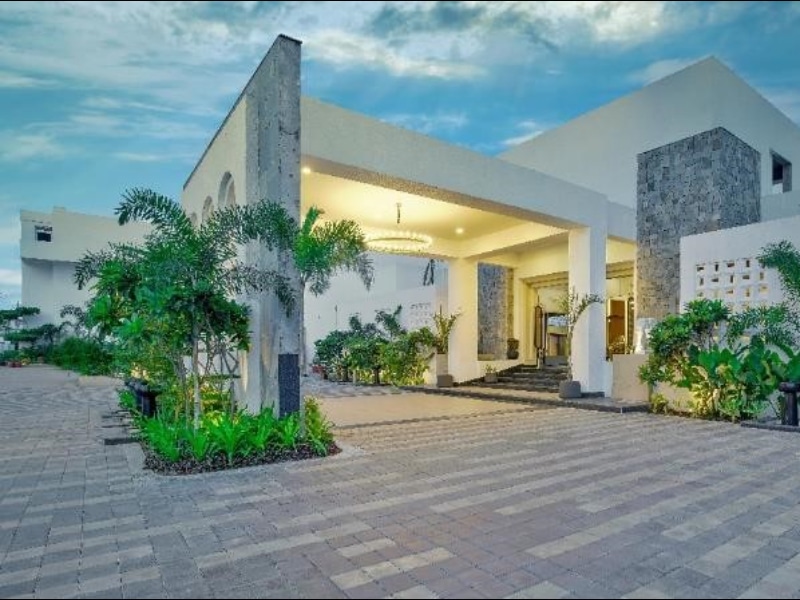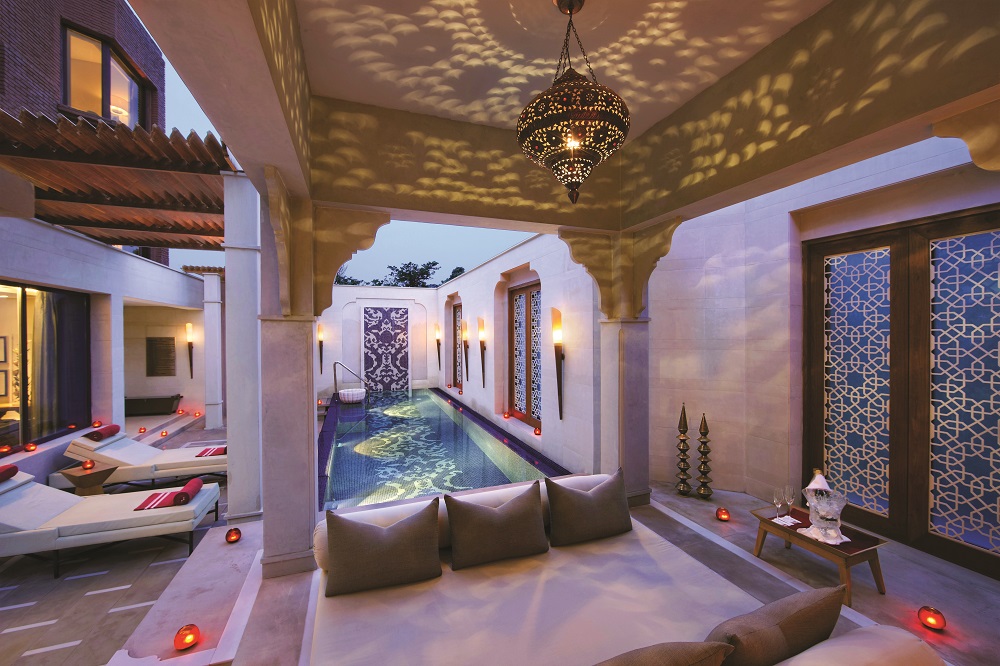
‘Catering to its guests’ has always been a prime focus of hotel designs. With the emerging 2023 design trends in hospitality, hotels are not just designed to accommodate travellers and provide them meals that fill their hearts up but have also undergone operational changes, technology transformations, flexibility in planning and post COVID distancing services.

Rohit Singh, Chief Engineer, Hyatt Ahmedabad, says, “As the hospitality industry grows tremendously every day, we must become more concerned about environmental issues. From using STP (Sewage Treatment Plant) recycled water in horticulture and chiller cooling towers to minimize water consumption; heavy pumps controlled by VFD (Variable Frequency Drive) to reduce energy consumption; and hydro-pneumatic system (intended to distribute water at a consistent pressure to all outlets on all floors) to regulate both the consumption of water and power, we used every strategy at our disposal to reduce unnecessary waste and save energy.”

Sustainability Reigns
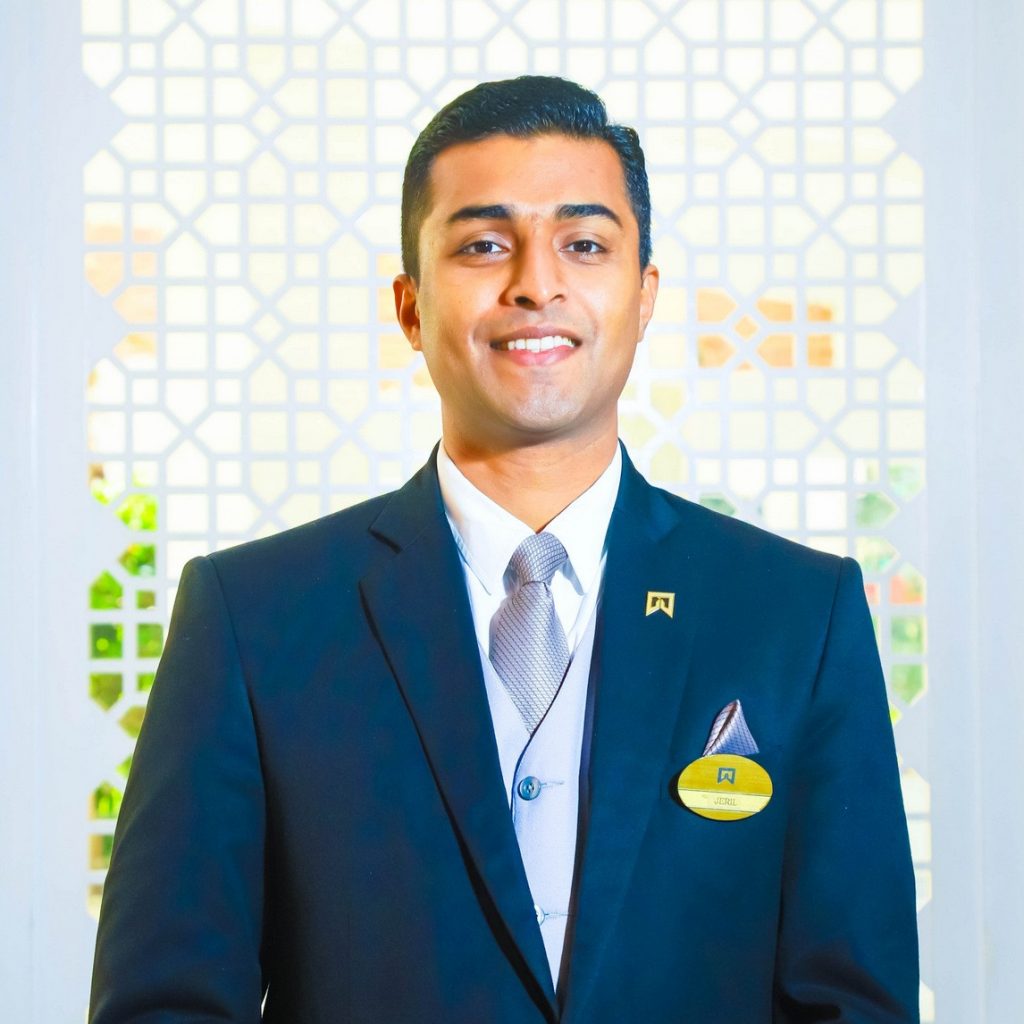
The recent trends in design are in favour of the construction of hotels with a classic historical touch and modern services along with sustainability features.
Jeril Varghese, Chief Engineer, ITC Mughal, A Luxury Collection Resort & Spa, Agra, expresses, “Designs have evolved to consider sustainable sites, eco-sensitive architecture, VOC (Volatile Organic Compounds) free paints, FSC (Forest Stewardship Council) certified wood, optimizing water and energy efficiencies, managing indoor air quality, harnessing maximum renewable energy, recycling water, treating solid waste, and sourcing consumables locally in the journey for a brighter tomorrow.”
Façade Engagements
Hospitality designs that create a unique experience and pay utmost care to their surroundings are the core aspect of façade designs of 2023. Mitu Mathur, Director, GPM Architects and Planners, explains, “2023 will witness an increase in intelligent and responsive facades. Today, guests want to be closer to nature and not cooped up in a closed room. Thinning the barrier between the outdoors and indoors using all-glass facades that bring the view to your room has been a trending concept sure to make its way into 2023. Additionally, modular materials, which are easily procurable and customisable as per the project, have also become prevalent. So, modular facade materials are produced in the factory and easily installed on the site.”

Façade designs can easily regulate lighting, views and ventilation. Its articulation can control the ingress of nature indoors and balance the play of light, shade, and shadow, creating an experience by using design. Taking an example of Taj Theog Resort & Spa, Shimla, Neelam Das, Senior Project Lead, Studio Lotus, says, “Our design of the public spaces for Taj Shimla, located in the idyllic town of Theog, assimilates these notions into its design language and morphology. The 90-key hotel is spread over a cluster of three linear buildings sited along a long stretch of a hilltop. The building looks onto panoramic views of the surrounding valleys, and its architectural expression draws from the vernacular, which imbues the whole space with a feeling of intimacy and warmth.”
‘Bleisure’ Revolution
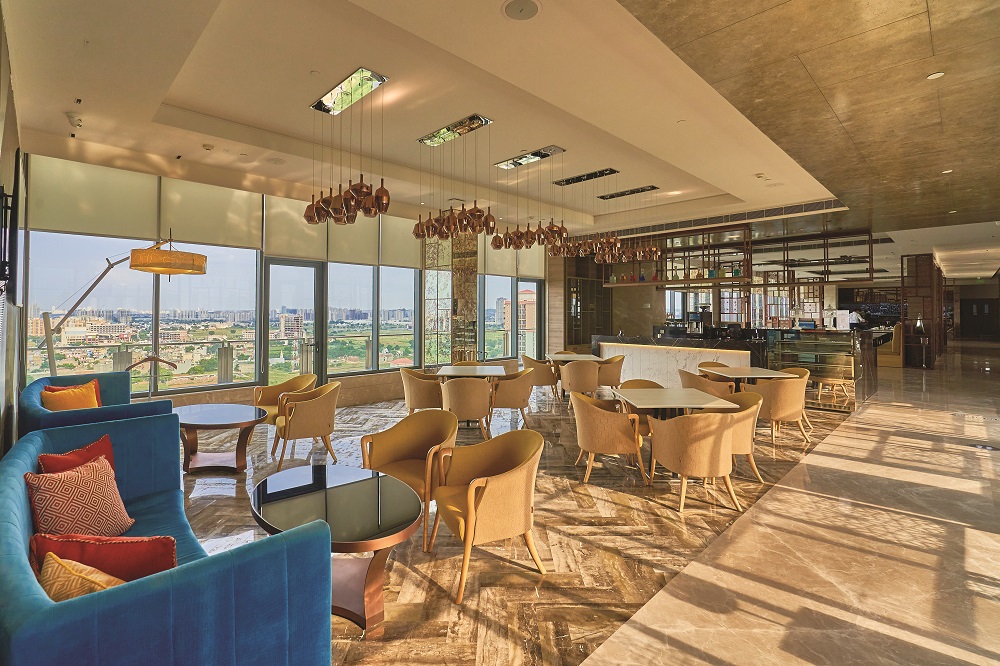
Since the pandemic, hotel designs have seen a shift in how the layouts are configured and designed. Post-pandemic, hotel designs have immersed a mix of business and leisure layouts. “2023 will see an increase in multi-functional spaces to accommodate business and leisure, allowing guests to fulfil their work while experiencing the destination. Also, facilities plan to keep in mind how a business traveller would like to experience their leisure time when not working, making them hassle-free, calm, comfortable, with natural light and preferably access to nature and natural greens. Hence, areas which are considered add-ons have now become highlights of the design,” opines Mathur.

Das elaborates, “We’ve started to incorporate the changing patterns of everyday routines into our design, like questioning what it would mean to design with the consideration that business guests require uninterrupted desk time. This implies thinking about how the work area in individual rooms are designed and allowing for flexibility.” She further adds, “The layout of public spaces in a hotel should ensure that there’s space for leisure.”
A New Chapter Of Technology
Integration of technology has become an old chapter in the book of hotel designs, amongst which widely popular automations are sensor-activated lighting and voice-activated appliances. The newest chapter in 2023 is fulfilling the gap between luxury and sustainability that avoids wastage of resources. These include smart air-conditioning, sensor lights, low-flow water fixtures, less water-dependent design elements, drip irrigation, capturing solar energy etc.
On a technical note, Das opines, “Some basics like fast internet bandwidth are essential, especially for modern business travellers. A consequence in the wake of the pandemic is the notion of workcations, where the hotel becomes a break from every day for the guest, even though they’re still working. In these cases, the technology layer of hospitality becomes a crucial aspect of design.”

Diving Deep Into Green
With the world going gaga over sustainability, it has started to impact the environment and the guest’s staycation choices. LEED (Leadership in Energy and Environmental Design) is amongst the world’s most widely used systems for rating green buildings with platinum being the highest certification.
Varghese explains, “LEED Zero encourages a holistic approach for buildings and places, which will contribute to a regenerative future, and demonstrate a deep commitment to implementing building and design strategies that assure an enhanced quality of life. ITC Mughal is the first hotel in North India to achieve the same through diversified strategies. Project elements such as the conversion of diesel boilers to electric, the addition of heat pumps, EC (Electronically Commutated) fans in AHUs (Air Handling units), ATCS (Automatic Tube Cleaning System) in chillers, BMS (Building Management System) upgradation, low-pressure gas burners and supply of power from the renewable source were the milestones to this huge achievement. We have now set the targets for others to emulate.”
In an F&B space of the hotel, the elimination of paper can also take place by apps, making it convenient for the guests to order food straight from their devices. Additionally, digital menu boards also drastically reduce manual errors, serving customers the right orders. Apart from this, self-service kiosks, bill-splitting applications and online reservations are fewer upgrades made by hotels.
Food wastage is also a significant concern amongst its patrons. Singh opines, “Hotels can also install a biogas plant to generate biogas from leftover wet food that can be utilized in the kitchen.”
Interchanging Interiors

Most people mislead hotel designs to be sleeker in appeal in fused with expensive furniture, says Khozema Chitalwala, Principal Architect and Designer, Designers Group. Chitalwala elaborates, “Thematic decorations of the interior combined with custom-made antique design elements, which are often connected with the local culture, are becoming major components of the hotel’s identity. We are trying to inculcate Indian contemporary design features into a fully traditional hospitality setting to create a signature style that is exclusive and recognizable. For example, the upholstery of traditional Indian furniture is made using contemporary fabrics, which gives it a sleek and sophisticated look. We are also going for local artisans and craftsmen to manufacture unique pieces of furniture and decor items. In short, we are striving to imbibe the timelessness of the past, while still embracing the modernity of the present.”

Muted luxury is yet another trend that has picked up in 2023. Grey tones and embedded greens will dominate the colour palette. Concludes Khozema, “The hotel’s focus should be on a more driven and rooted narrative that truly reflects the local culture and history.”