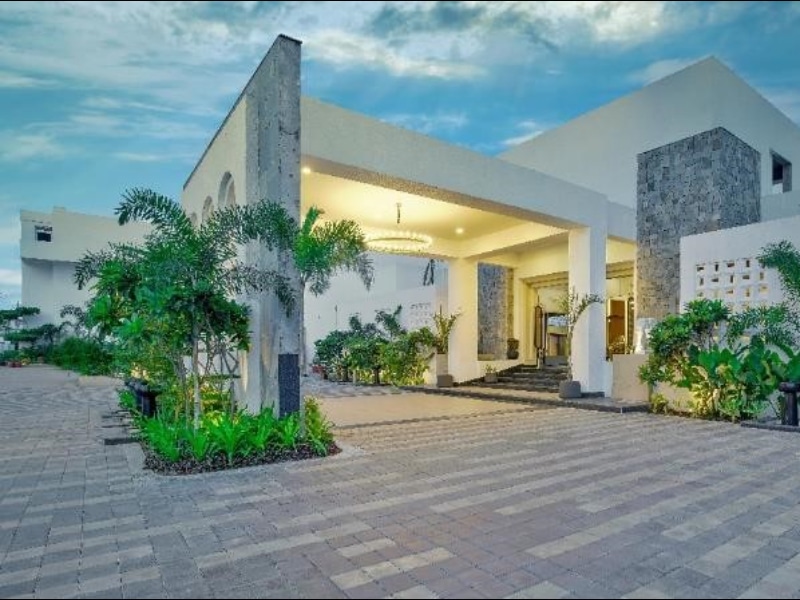
The past few years have seen a sudden decline in the hospitality industry due to the global lockdown, followed by a steady rise as we recover from the pandemic. With travel increasing, growing expectations of travellers and technological innovations are changing the face of hospitality architecture. Being an experience-centric industry, hotels today are expected to be luxurious, user-centric, and fully equipped with the latest amenities and comforts. One of the fastest growing sectors today, trends in hospitality design are constantly evolving.
Emphasis on local culture
One such growing trend is including local culture and heritage, Going Glocal – Local is the new Global! Architecture, interiors and experiences that reflect local traditions, heritage, art, etc., promote local communities, tourism, and tourist experiences. When it comes to interiors, recent trends include the use of natural palettes and the integration of local arts. In addition, using local materials and construction labour is also a sustainable way to promote local communities.

Introduction of ‘bleisure’
With hybrid working becoming a trend post-pandemic, it’s pivotal to provide consumers with the best of both worlds — business and leisure. With the introduction of bleisure culture, travellers today are looking for multifunctional spaces such as meeting rooms, working areas and co-working spaces. Mixing business and leisure means flexible spaces when it comes to design. Therefore, facilities are being planned considering how a busy business traveller would like to experience leisure time when not working, making them hassle-free, calm, and comfortable, with natural light and access to nature and natural greens. Hence, areas which were considered add-ons have now become highlights of the design. Additionally, staycations also include providing local tourist experiences in the hotel’s comfort and open socialising common areas. With this new trend, hotels have become much more than spaces for relaxation.
Travellers are looking for luxury and interesting experiences, and with fast-evolving innovative technology, automation is a recent trend in the hospitality industry. Hotels are updating and evolving alongside technological advancements, from customised tours and reservations through apps to automated appliances and electronics in rooms.
Holistic wellness
Today, as we comprehend a new meaning for leisure and relaxation, post the COVID-19 pandemic, there is a considerable shift in rethinking hospitality design with respect to the user’s health and well-being, thereby focussing more on holistic wellness with amenities such as yoga centres, workout areas, wellness centres, spas, and more. Moreover, the site and its culture are the most significant drivers, focusing on the desired orientation and integration of the built form within its context while capturing the beauty of the immediate surroundings. Hence, highlighting the essence of a place and merging the same with contemporary design ideas to create a range of experiences for visitors is of utmost importance.

Self-sustained design
The most significant learning post-pandemic has been that we cannot function in silos and need to embrace our local systems to become a self-sustainable model. There must be a balance between luxury and efficiency by adopting the best practices and intelligent technologies that help avoid the wastage of resources. Recent hospitality architecture has seen an increase in more competent waste management and energy efficiency increase using innovative technologies, passive design techniques and green practices. These include smart air-conditioning, sensor lights, low-flow water fixtures, less water-dependent design elements, drip irrigation, capturing solar energy, etc.
The hospitality industry keeps innovating to attract different audiences. With newer concepts such as staycations and bleisure, the concept of a ‘hotel’ is constantly changing, adapting to global trends and evolving with technology.