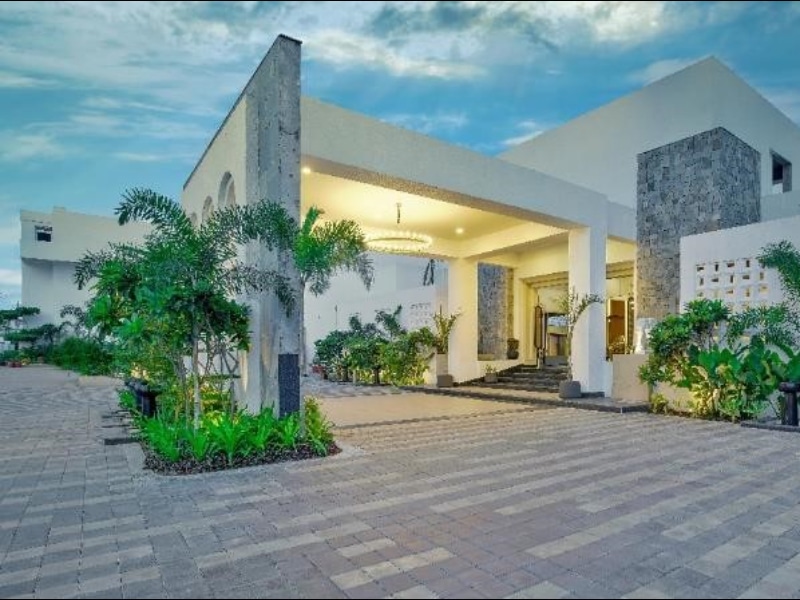


Hospitality and coffee have an inextricable connection, and hoteliers are making use of this to give consumers nuanced coffee experiences through coffee-based restaurants and standalone spaces that make coffee drinking as fun as fashionable.
Innovations galore
Consumers today want to know more about the origins of their coffee, the roast profiles, taste notes and experiment with different types of coffee formats. These people are also pressed for time with busy lifestyles, so convenience and comfort become essential. Most consumers are looking for better-tasting café-style coffee that can be easily made at home.
A welcome change in the world of coffee is a growing consciousness of the need for responsibly sourced beans. Fair trade single origin brands are becoming a more significant part of the conversations, and with demand for speciality beans growing, coffee subscriptions are also around the corner creating distinctive experiences for connoisseurs. From the Indian market’s perspective, there is a very significant and positive change in how coffee is perceived. Consumers have become more aware of what coffee they want to consume and are very specific about their needs because there’s a lot more information available on the beans and roasting process.

The coffee market, by its size, has grown, and the varieties in coffee segments have also increased. Bharath Balakrishna, Founder of Bhava Coffee, opines, “Coffee as a beverage has evolved tremendously. Speciality coffees have taken a large market share now. As India is slowly growing into a major coffee market, there is a demand for all sorts of coffee, ranging from filter coffee to various other artisanal blends and for every brewing method. Even ready-to-drink coffee like bottled/canned cold coffees are settling a major trend for people, and they seem to like it because it is easy to carry, on the go and gives consumers their daily share of coffee fix.”
Machine magic

With the approach to coffee becoming increasingly artisanal, many coffee houses are exploring both, contemporary and centuries-old brewing techniques. Coffee machines are now moving to a system where the variables can be controlled. Machines now come with multiple boilers so that the coffee temperature is consistent, even after more than 300 coffee shots a day. Coffee is being personalised and more customised, making the barista a significant player. Even the body pressure and flow control are now in the hands of the barista. Dry steam technology allows better milk foaming. Commercial machines include mod bars, high-end espresso machines, cold brew tanks and burr grinders. Home machines include drip machines such as the Breville Precision Brewer; capsule machines like Nespresso and Coffeeza, home espresso makers – Linea Mini by La Marzocco or Sanremo You or Rocket Appartamento and manual brewing – Flair, Nanopress, French Press and Kalita.
“In terms of innovations in coffee machines, home brewing seems to get a lot of attention. Compact machinery, right from travel-friendly espresso makers like the mini press, to compact cold brew makers, will make their way into the homes of coffee lovers. “There are quite a few innovations that are seen in coffee machines today, especially in machinery that uses artificial technology (AI) technology that still has some research happening. AI has been implemented to check the quality of beans and the way they should be roasted. It ensures our product is delivered as per the requirement negating the natural product’s inconsistencies,” says Balakrishna.
Brewing Techniques

In terms of coffee brewing techniques, nitro brewing is still dominating the cold brew segment, with indigenous brands experimenting with unique flavours. Aeropresses are also expected to continue in the segment. Technology is impacting all cycles of coffee brewing, as farmers can grow better, roasters are profiling better, and baristas are able to brew better with the new-age machines. At a macro level, coffee is becoming a choice of profession for young people across the world. Manish Yadav, Owner of Fig, Fig at Museo, Gurgaon, and Fig at Malcha, New Delhi, says, “There is a lot of focus on manual brews now, as the push for speciality coffee increases. You have brewing methods like Pourovers, Chemex, and AeroPress that can derive different taste profiles from beans. AeroPress is popular these days since it doesn’t need any specialised equipment, easy to carry and convenient. Machines these days are evolving with technology. And coffee machine companies are now involving baristas in the process of developing machines to solve real-world challenges.”

Now trending
Natural processed coffees have come up to be the latest fad. Natural processing is a technique used on the farm, post-harvest, where the coffee cherries are left to dry whole (with the skin and the fruit on) and then hulled/husked after a few weeks of drying. This produces a denser, fruitier, and often a well layered coffee. Home-brewing is another idea that is catching on in a big way. The scale and the coverage of coffee are getting bigger, with coffee becoming a preferred choice of beverage for millennials. Everything from machines, brewing methods, and coffee beans is going through phases of evolution, with so much being thrown at consumers. A fundamental shift to cleaner and more distinctive brews will be a driving factor in the fourth wave of coffee. “People are moving away from the espresso and cappuccino route and leaning towards aeropress, nitro brews and similar techniques. Fermented coffee, particularly the Koji fermented coffee, has also gained great popularity in the past few months. Apart from the traditional consumption of coffee as a beverage on its own, it’s also making its way into Indian spirit brands as a preferred infusion, especially for gin,” says Sachin Maheshwary, GM, Grand Mercure Bengaluru Gopalan Mall.

Coffee choices
At Grand Mercure Bengaluru Gopalan Mall, their signature beans are farm roasted and sourced from one of the oldest organic estates in Chikmagalur. From milk-based and pure black to manual brews and ones with chocolate, Fig is a spot for all. “Our regulars at the cafe have their usual whenever they step in and prefer it at any time of the day. They understand the flavour notes well, and those avid coffee drinkers who are new indulge in a conversation, wanting to know more and discussing their preference of blends, milk choices,” says Yadav.

At Paper & Pie, coffee as a beverage is doing exceptionally well. Coffee contributes to over 40% of the revenue at Paper & Pie in Bengaluru. “Coffee, for some of us, is an essential catalyst and a social lubricant. As a beverage, it provides individuals with energy to begin their day and a reason to socialise. Over the last few years, coffee has transitioned from a utilitarian beverage to a stratified luxury item. Correspondingly, coffee shops and cafés have also elevated the quality of their offerings and the aesthetic appeal of their spaces, making both the product and the space more socially relevant and important,” says Sandeep Nagaiah, Co-Founder of Paper & Pie.
Scintillating specials
As new and alternative forms of dairy develop, consumers have developed a taste for nut and plant-based milk alternatives with coffee beverages. Oat, rice and almond-based milk have become increasingly popular, and baristas continue to develop coffee recipes using these milk alternatives as their drink base.

Ashish D’Abreo, Co-founder of Maverick & Farmer, says, “If one considers possible combinations that a customer can choose from and create drinks, we serve about 80-100 coffee and coffee-based beverages at our cafe. Our manual brew coffees are some of our most loved beverages, as the customer can choose from a range of coffees (beans profiles) and brewing methods. The response to some of our maverick signature drinks is particularly good. Our experiments in science begin at the farm. We have developed controlled fermentation techniques that help us create new and exciting flavour profiles in our coffee. Our profile roasting has been perfected over the last eight years to create some absolute favourites with great balances of flavour, sweetness, acidity and body.”

Geetu Mohnani, COO, Caffeine Baar, adds, “New-age brewing techniques are mostly manual for consumers, including fascinating equipment like syphon or cold drip. For cafes, depending on their transactions, space or the type of customers they serve, even some espresso machines can now do manual brews and cold brews. At The Caffeine Baar, we serve 100% speciality arabica coffee from Baarbara, our plantations located on the foothills of Bababudangiri. Our coffee is processed in unique ways, and experiments are conducted each year like pineapple fermentation, frozen cherry, carbonic maceration and the like.”
Challenge factor
The greatest challenge for coffee in India is that more than 80% of its production is limited to very specific zones. Any change in climatic conditions can therefore affect the coffee produced. Lack of education is a big challenge. While coffee is becoming popular, the science behind it is still unknown to consumers, unlike categories like wine. Milk-based coffees still make up 70% of the consumption. However, the real experience of coffee can be experienced in Espresso and manual brews.

Shrikant Patro, Associate Director, F&B at The Ritz-Carlton Pune, notes, “As climate change continues, coffee growing regions continue to worry about the rising temperature and the quality of coffee produced. Paying farmers a fair wage is another worrying factor; however, certifications like the Fair Trade Organization have made developments to change this.”
Getting the edge

Coffee experiences today must include storytelling and understanding of the brew at a deeper level to strike a chord. Rahul Aggarwal, Founder & CEO, Coffeeza, says, “We invest a lot in R&D and innovation. Specifically talking about coffee capsules, the format itself is very innovative. The new aluminium coffee capsules that we have launched in the Indian market are even more innovative, as they give a superior coffee experience and are environmentally friendly. Moreover, we have a state-of-the-art aluminium coffee capsule manufacturing facility in Goa. Currently, we are experimenting with many exciting blends and flavours to give consumers various options.” Coffee is the most popular beverage, with over 400 billion cups consumed yearly. This has resulted in an explosion of new coffee trends and that in itself says so much for a beverage that is seeing a revolution brewing for all the right reasons.”