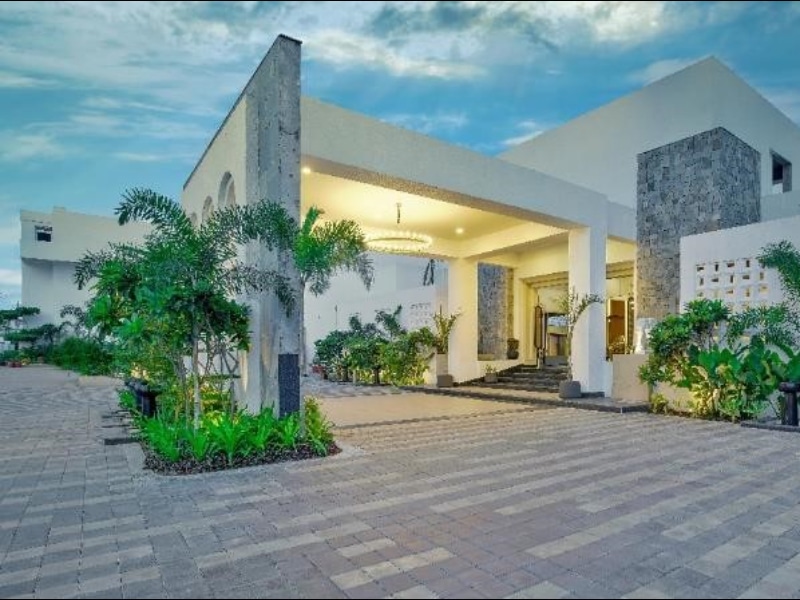
Lighting is an essential part of any design process. Lighting systems are instrumental in guaranteeing comfort and promoting users’ well-being, especially in the hospitality sector, where people come in expecting to relax and get rid of all their worries. However, good lighting should not be judged by brightness alone. It should be energy-efficient, sustainable, and durable with minimum resistance. While it is an inevitable element required in any space, we must also consider the impacts of excessive use of lighting on the environment.

The ideal approach to efficient lighting is a combination of three factors: comfort, aesthetics and sustainability. Controls such as dimmer dials, changing illuminance levels, and sensor technology make lighting systems energy-efficient and a more sustainable option for the consumer. Furthermore, with BLE communication protocols, automation systems in hotels are much more accessible, achieving sustainable solutions and aesthetically pleasing places.
Switch To LED Bulbs
LEDs are the most commonly used luminaires today, owing to their energy efficiency, long life span and design versatility due to their small size. In addition, LED lighting is environmentally friendly and energy-efficient and has a far lesser carbon footprint than its predecessors. Adding LEDs to the equation increases the saving on energy even further, making automation systems integrated with LED fixtures an absolute must for every hotel. LEDs are already known for their long-lasting life span and excellent efficiency. With the technology rapidly advancing, LED lights now use up to 90% less energy, increasing their efficiency and performance.

Smart Controls – Automation
With automation being the future of the lighting industry, it is now widely used for lighting schemes. The automation systems can determine and control the lighting periods depending on the design. Pre-programmed lighting scenes can be set up within these systems, creating a dramatic effect and enhancing the storytelling experience. These control systems also save energy and improve the efficiency of luminaires. Several hospitality groups have adopted lighting automation systems as they want to improve the energy efficiency of their facilities.
Additionally, with the right communication protocols and the latest integration software, smart lighting can be experienced to the fullest extent. A number of protocols are being used for lighting automation and fixtures, such as BLE, ZigBee, Z-Wave, and WiFi. Li-fi, a wireless communication technology where light is used to send data.
Install Dimmers
Controls such as dimmer dials, changing illuminance levels, and sensor technology make lighting systems energy-efficient and a more sustainable option for the hospitality industry. Consumers widely use dimming technology as they see benefits towards the quality of life and utility bills. Dimmers also extend the life of luminaires, thereby providing longevity.
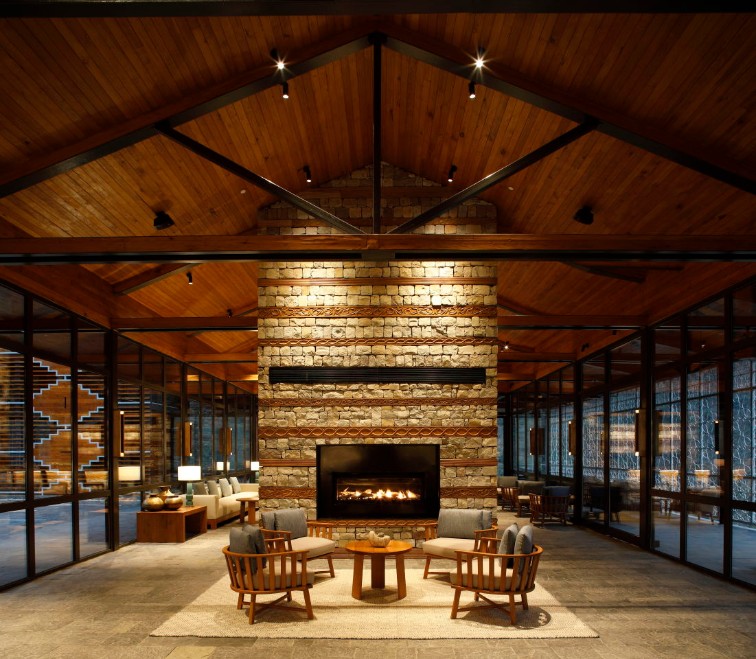
Solar Powered Lighting
Solar Lighting has a lot of potential for the future of lighting, especially as a source of renewable energy. Solar LED lights are now reliable globally and are being used as a permanent replacement for conventional lighting systems. This shift towards renewable energy and the growing demand for energy efficiency has further pushed the global market towards the acceptance of solar lighting. Especially in hotels, solar lighting has proved to be very beneficial, especially as a source of power backup.
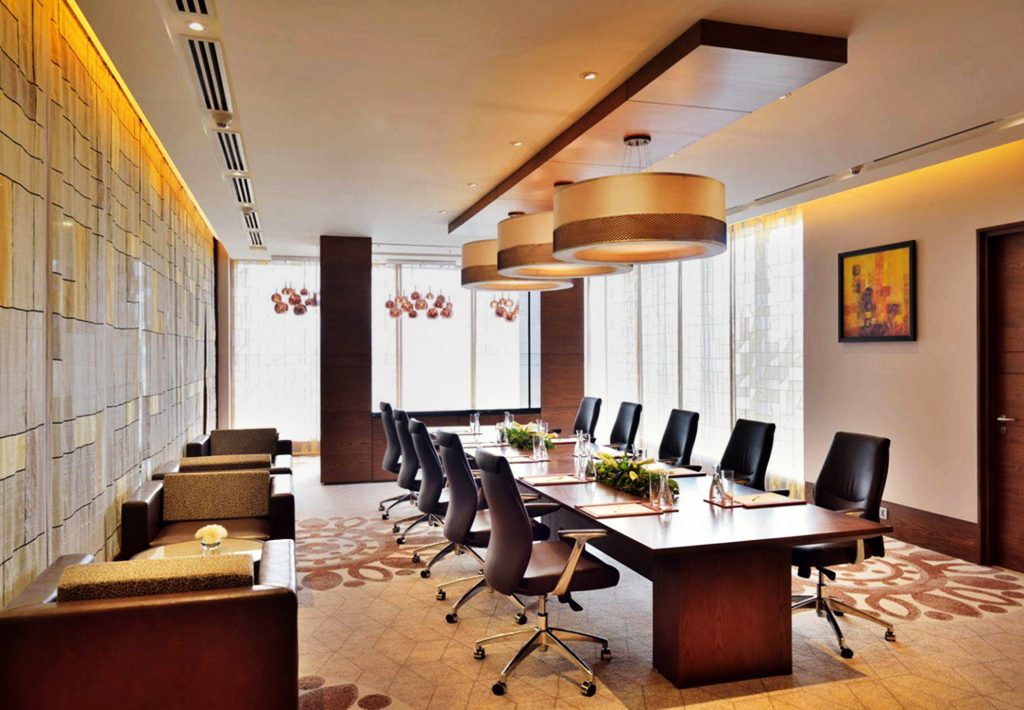
Efficient Fixtures
Consumers today are more aware and are opting for sustainable and efficient products. Lighting systems are a medium to guarantee comfort and promote well-being for the user, and lighting performance is no longer judged by brightness alone. Good lighting should be energy-efficient and sustainable, and the fixtures should be recyclable. Hence, selecting efficient lighting fixtures with the right balance between efficiency and visual comfort is crucial.
Saving energy is crucial in these unprecedented times, and by designing smart lighting layouts in hotels and resorts, one can achieve sustainable and aesthetically pleasing spaces. With sustainability and efficiency being the cornerstone of any design, functional lighting systems dominate today’s market, with more illumination from fewer lights.