New generations of travellers with evolving tastes, desires, and preferences are entering the Hotels with expectations of exceptional experiences. Hence, hospitality is turning to be revolutionary rather than reactionary. One such profound revolution in the hotel industry is the emerging trend of Biophilia.

Biophilic design is the ultimate pick in hotels, for it serves the purpose of serenity and sustainability. Incorporating views of nature into the hotels offers an escape for the visitors and guests, giving them a calm and positive environment. People who spend more time in the hustles of the city hope for a refreshing retreat in hotels to take breaks. Therefore, guest rooms that favour the views of nature have become common in hotels. Biophilic design, however, is more than a room with a view. It includes the experience of all senses. For instance, scents of nature introduced into the space are known to create a rejuvenating experience, as well as sounds. These flavours of nature can be brought into the interior through the choice of textures, patterns, colours, and materials derived from nature that can be put together creatively.

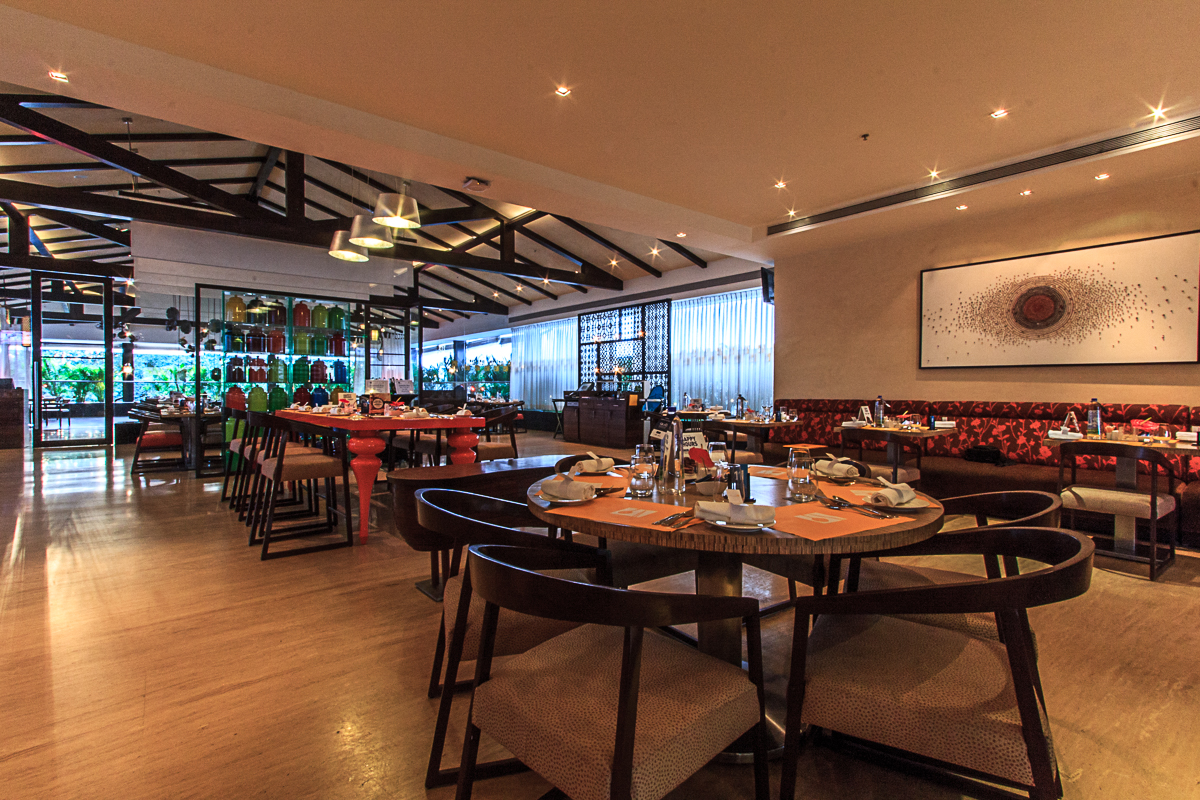
The Radisson Blu Hotel, renovated by Designers Group, is surrounded by the lush green landscapes of Alibaugh. This sense of serenity and peace is also reflected in the interiors of the hotel, through earthy tones and airy spaces that bring the true essence of Biophilia. The lobby is transformed into an assortment of colours with blue, symbolising the coastal waters, which gives a soothing effect to the travellers. A dialogue between the interiors and exteriors is created through natural water bodies with artefacts and accessories made of blue cotton balls. A sustainable biophilic design language flows along the spaces through the use of natural materials such as Indian stone and recycled wood. The design is bound by water bodies throughout the hotel, in the form of reflective pools. The wood laminates create a dramatic yet cosy ambiance that confirms the connection to nature. Thus, every detail of the materials and colours throughout the hotel encourages Biophilia and enhances the positive impact of nature on people.

The Novotel Resort in Goa, designed by Designers Group, is another best example of biophilia. Adding up to the pursuit of biophilic design, the resort encompasses a nature-inspired interior design to create an organic feel to the space. Inspired by the impressions made by waves, the Novotel Resort in Goa is designed to reflect the goan sand beaches and textures. This is displayed through the holistic envelope of the interior and beige flooring in a dune pattern. The voluminous lobby surrounded by room corridors was sided with vertical green walls parallel to the corridors, which also proved to be a significant acoustical and privacy concern. The light fixtures with waterfall designs also reflect the inspiration of nature.

Thus, these hotels are perfect examples of Biophilic design, that are more than a room with a view. Biophilic design is not just a trend but a necessity in the current state of the environment. Especially for the hospitality industry, which is moving towards biophilic design, can help create a pleasant and healthy experience for visitors. Utilizing greenery and sustainable eco-friendly materials in the building design further helps contribute to the global mission of environmental conservation while fulfilling the corporate social responsibility of the industry.