
Over the past decade or so, Indian hoteliers have started taking a serious note of the need for ‘greening’ their hotels and operations. India has third largest number (73) of LEED-certified hotels and the largest number of LEED Platinum hotel projects in the world. Many of the existing hotels in the country are going for retrofits to achieve LEED certification.
Even hotels that already have achieved LEED at the design stage, are now going for LEED Operations and Maintenance (O+M) certification to further highlight their efficiencies and demonstrate their continued commitment to sustainable performance. There is a simple yet important reason for this renewed focus on sustainability: hotel owners and developers want to enhance their triple bottom line of people, planet and profit.
As places of relaxation and respite, hotels should inherently focus on the health and well-being of their occupants. Green buildings not only deliver on both these counts but also go further by also improving the productivity and happiness of employees.

Gopalakrishnan Padmanabhan, MD, Southeast Asia and the Middle East, GBCI
It is well documented that people derive a sense of comfort and pride from residing or working in green buildings. Consumers, homebuyers and travellers, meanwhile, are showing a marked preference for properties and spaces that are sustainably created and operated. The same is true of restaurant owners, travel agents and travel portals – all of them want to be associated with hotel brands that follow environmentally, socially and culturally sound practices.
PREVENTING WASTAGE, OPTIMISING RESOURCE USAGE
From an environmental standpoint, hotels need to pay close attention to their power usage, waste management and pollution. Hotels consume resources seven days a week, 24 hours a day, and, therefore, have enormous opportunity for savings when going green.
Simple steps that can be taken to achieve this include using centralised, automated smart systems to control room temperatures and prevent wasteful use of power. Smart keys ensure all lights and electrical devices are automatically switched on and off when guests enter and leave the room.
Sensors can be installed to regulate devices and temperatures in precise areas where guests are present. These can also inform hotel management about devices that are malfunctioning or need servicing.
When done properly, reducing energy consumption can improve revenues, just like increasing room tariffs can. This can be aided by using digital thermostats, as well energy-efficient appliances such as LED light bulbs and lamps. Rooftop solar panels can be employed to provide for a significant portion of a building’s energy needs.
In some countries, hotels have started providing newspapers only in common areas instead of in every room. Some provide their guests with reusable, non-plastic water bottles that can be refilled at conveniently located filtered water stations. Many hotels are installing water-efficient bathroom fixtures such as faucets, showerheads and low-flow toilets, and providing refillable soap and shampoo dispensers instead of use-and-throw versions.
CREATING VALUE, IMPROVING VALUATIONS
Hotels can use the globally accepted UN Sustainable Development Goals (SDGs) as a guideline to compartmentalise their major operational functions. Working towards the SDGs, ultimately, has a positive impact on business growth.
In the asset-heavy hospitality industry, a sustainable business creates a low-risk, win-win situation for both hotel owners and managers. Moreover, commitment to the SDGs is more likely to attract investors.
Keeping an eye on the SDGs can help hotels gain the confidence of their stakeholders and increase shareholder value in the long run. Integrating green building strategies into the design, construction and operations of hotels thus makes good business, social and environmental sense.
COST OF GREENING DWARFED BY ITS BENEFITS
A recent research report by the U.S. Green Building Council (USGBC) revealed that although Indians are, by and large, aware of the benefits of green buildings, there is a widespread misconception among them that the cost of designing green buildings is prohibitively high. This is impeding the adoption of green practices.
There is greater inclination to invest in sustainability solutions after project completion than to build sustainability into the design from the very outset. This is unfortunate, because green buildings quickly make up for the incremental cost through energy efficiency, lower utility costs, greater resilience and better use of resources, and prove to be much more cost-effective over their lifecycle. The same holds true for existing buildings that are retrofitted to be green.
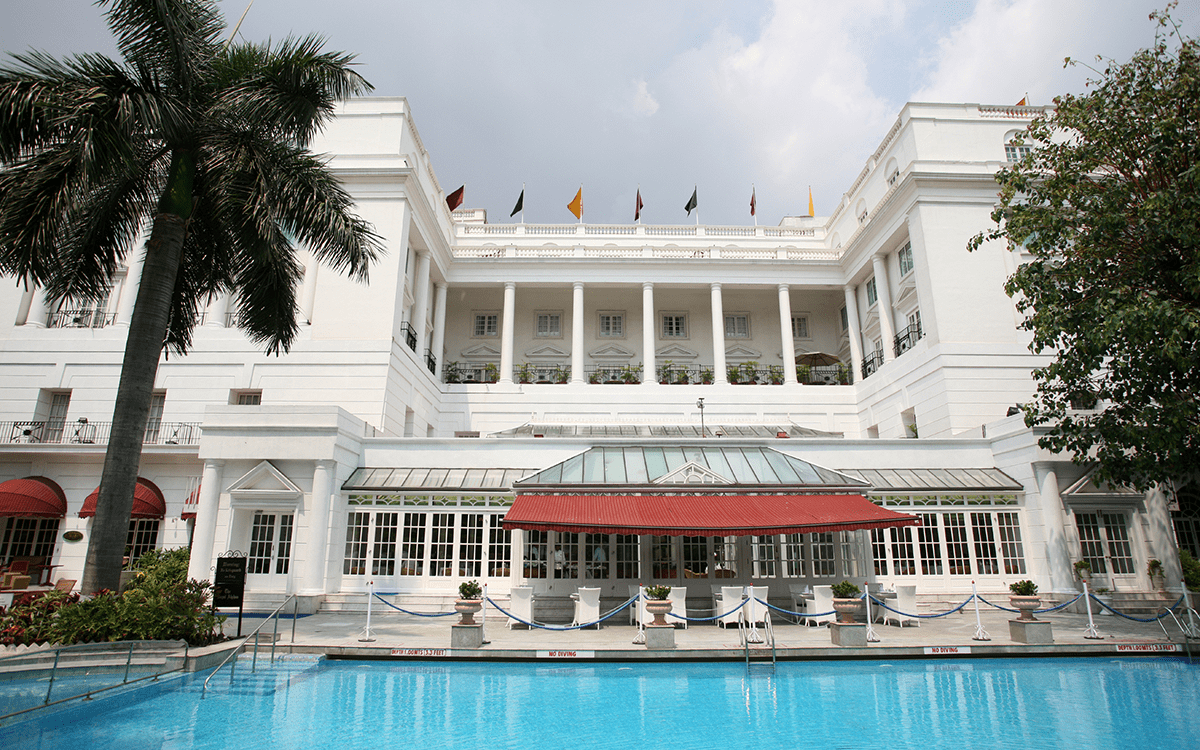
It should be noted though that the greenest buildings are the ones that already exist. Many of the hotels that have achieved LEED certification are, in fact, quite old – even heritage buildings, in some cases. The impact of demolishing an existing building and constructing a new one in its place can take up to 80 years to negate, even if the new building is extremely energy-efficient. On the other hand, even old, inefficient, resource-intensive buildings can be transformed quickly by using the LEED O+M approach.
The pandemic has also only highlighted the importance our buildings on our health and wellness. One of the hallmarks of the LEED rating system is health and wellness – nearly 70% of the credits in the rating system either directly or indirectly impact health and wellness.
To further strengthen its commitment, USGBC added nine LEED Safety First Credits to the rating system last year in response to the pandemic to help buildings provide health spaces to their occupants and assist with re-entry. These credits outline sustainable best practices that align with public health and industry guidelines related to cleaning and disinfecting, workplace re-occupancy, HVAC and plumbing operations, indoor air quality, pandemic planning and more.
New hotels are starting to incorporate these credits into their planning so that health and resiliency are more directly embedded in their project as early as the design stage.
The future of the industry is also heading toward net zero and regenerative design. Indian hotels have already started this journey with the ITC Windsor Manor in Bengaluru recently becoming the world’s first LEED Zero Carbon certified hotel.
As the hospitality industry, along with many others, look at post-pandemic business revival and growth and begin to look to the future and prepare their 10 year plans, they would do well to integrate sustainability into their existing assets and operations and, of course, make it one of the foundational pillars of all new plans. Old or new, hotels will truly work best when they are green.


